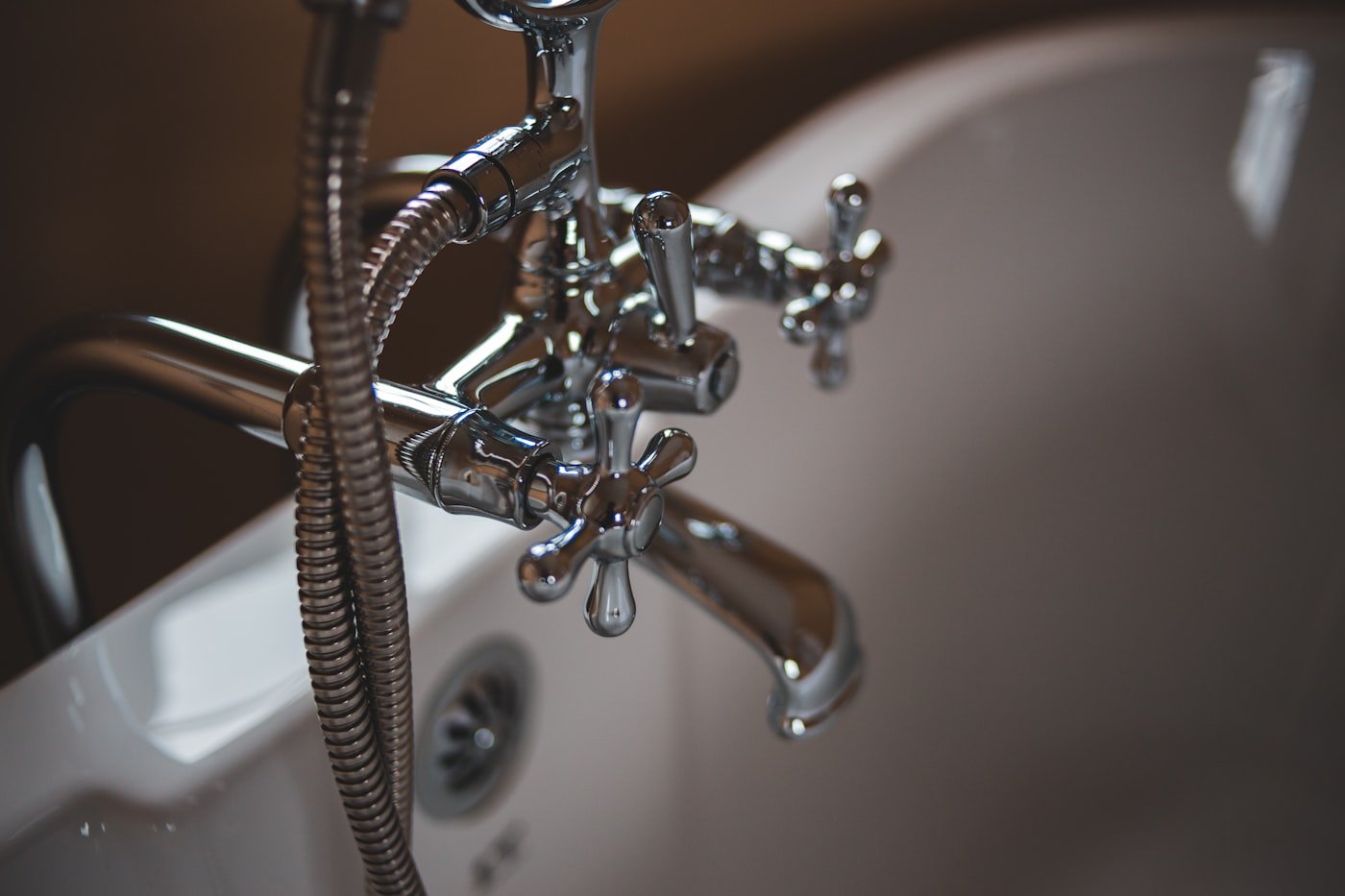
Valves are the heart of any fluid control system, from residential plumbing to heavy industrial gas lines. Producing reliable valves requires an exact combination of material integrity, precision machining, and rigorous testing. Brass is overwhelmingly preferred for these components due to its machinability, structural soundness when forged, and non-porous nature.
Types of Brass Valves
Different flow applications require different internal mechanisms. Common brass valves include:
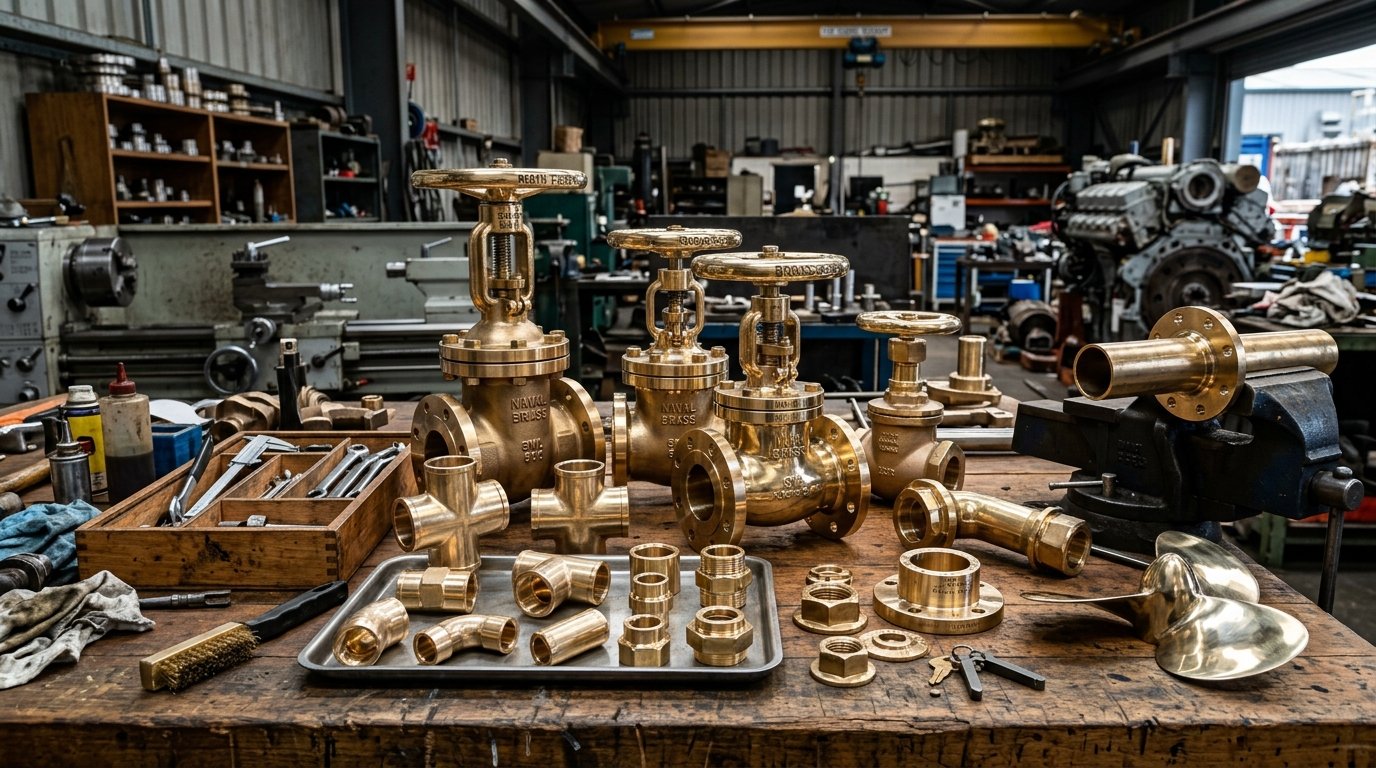
- Ball Valves: Use a pivoting brass ball with a hole through it for quick shut-off applications.
- Gate Valves: Feature a brass wedge that lowers to block fluid; ideal for fully open or fully closed service.
- Check Valves: Allow flow in one direction only to prevent backflow.
- Globe Valves: Used for regulating and throttling flow in a pipeline.
The Manufacturing Process: Forging + Machining
While some simple parts are machined from solid bar stock, the bodies of robust valves are typically produced via hot forging. Forging physically presses the heated brass into shape, aligning the grain structure of the metal and eliminating internal voids or porosity.
Once the rough body is forged, CNC machining centers cut the internal threads, bore the flow pathways, and finish the critical sealing surfaces to exact tolerances.
Testing and Standards
Safety is paramount, especially for valves handling gas or high-pressure water. Quality manufacturers subject their components to stringent tests:
- Hydrostatic Testing: Filling the valve with water and pressurizing it beyond its rated capacity to check for body leaks.
- Pneumatic (Air) Testing: Testing under air pressure submerged in water to detect micro-leaks around seals and seats.
Compliance with international standards such as EN 13828 (for building valves) and ASME B16.34 (Valves—Flanged, Threaded, and Welding End) ensures global market readiness.
| Valve Type | Best For | Common Applications |
|---|---|---|
| Brass Ball Valve | Quick ON/OFF | Domestic water mains, gas lines |
| Brass Gate Valve | Infrequent operation, low friction | HVAC systems, large water distribution |
| Brass Check Valve | Preventing reverse flow | Sump pumps, boiler feed lines |
Frequently Asked Questions
What brass alloys are used for industrial gas and water valves?
CW617N (CuZn40Pb2) is used for hot forged valve bodies, CW614N for turned stems and gland nuts, and CW602N (DZR) for aggressive water systems.
What pressure rating testing is performed on brass valve bodies?
100% of manufactured valve bodies undergo pneumatic seat leak testing at 6 bar and hydrostatic body proof pressure testing up to 50 bar.
How does PTFE seat ring compatibility enhance brass ball valve performance?
Precision turned brass balls feature smooth diamond-polished surface finishes (Ra 0.2 µm) that mate perfectly with PTFE seals, ensuring zero-leakage shutoff.