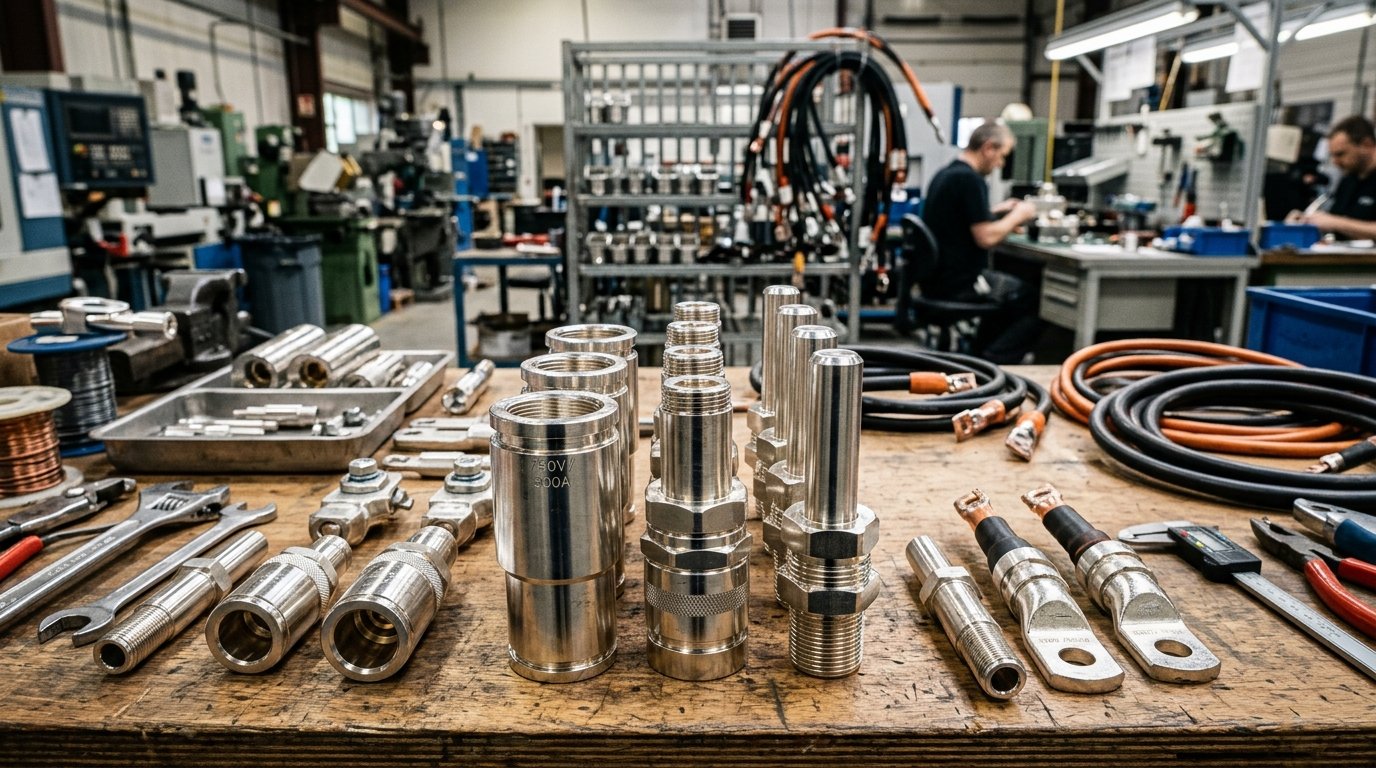
The global automotive industry is undergoing its most profound transformation in over a century. While legacy internal combustion engine (ICE) platforms rely heavily on brass for fluid management, temperature sensors, and hydraulic sealing, the rapid rise of Electric Vehicles (EVs) introduces demanding new requirements for high-current electrical distribution and thermal heat dissipation.
1. Legacy ICE Automotive Applications
In traditional petrol and diesel vehicles, brass has long been the metal of choice due to its natural corrosion resistance against fuels, high thermal stability, and exceptional machinability on multi-spindle CNC automats.
Fuel Line Fittings
Precision flare fittings ensuring 100% leak-proof fuel delivery under intense vibration.
Sensor Enclosures
Thin-walled brass housings protecting sensitive oil pressure and coolant sensors.
Brake Line Adapters
High-tensile hydraulic joints engineered to withstand aggressive brake fluids and pressure spikes.
Key legacy alloys include CW614N (CuZn39Pb3) for turned sensor bodies and CW617N (CuZn40Pb2) for hot-forged valve bodies and manifold blocks.
2. The EV Revolution: High-Current Power & Charging
Electric Vehicles eliminate fuel systems, but they introduce extreme electrical loads. Battery management systems (BMS), high-voltage junction boxes, and fast DC charging stations require materials that safely conduct high amperages without overheating.
- CCS2 & NACS Charging Pins: DC fast chargers operate at 350kW+ and up to 500 Amps. Machined brass pins plated with silver or nickel provide low contact resistance and high mechanical durability over tens of thousands of plug insertions.
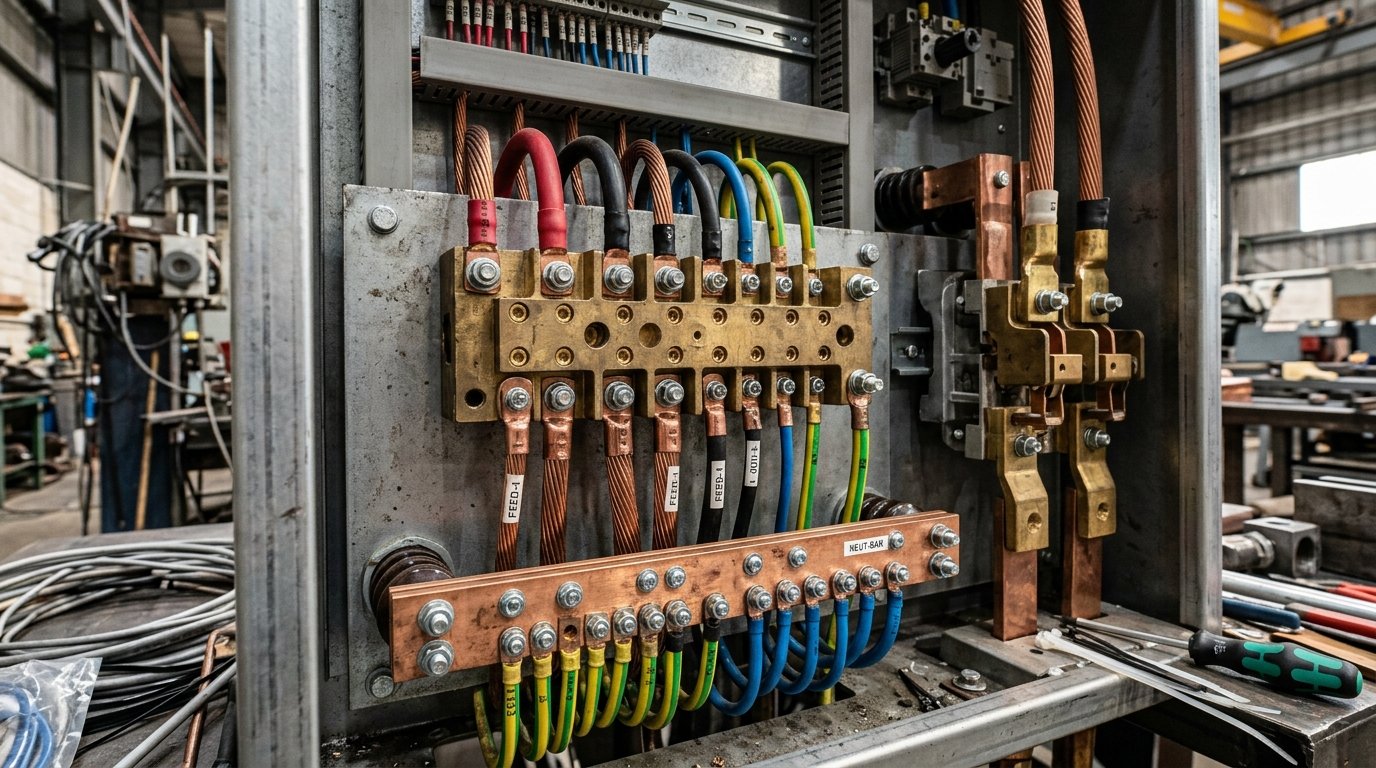
- High-Voltage Busbars: Custom brass busbar connectors bridge battery cell packs, offering high mechanical rigidity and resistance to thermal expansion under heavy loads.
- Thermal Management Valves: Liquid-cooling loops for EV battery packs rely on precision brass valve fittings to prevent dielectric coolant leaks.
3. Automotive Alloy Selection & Performance Matrix
Selecting the right brass grade depends on whether the component requires maximum machinability, high tensile strength, or maximum electrical conductivity:
| Component Type | Primary Requirement | Standard Brass Alloy | Key Specification |
|---|---|---|---|
| EV Charging Terminal Pins | High Electrical Conductivity & Wear | C36000 / CW614N | Silver / Nickel Plated, ±0.01mm Tol. |
| Sensor Shells & Inserts | Intricate CNC Turning & Threading | CW614N (CuZn39Pb3) | RoHS 3 Compliant, Low Lead |
| Fluid & Brake Adapters | Pressure Resistance & Forging | CW617N (CuZn40Pb2) | ASTM B16 / EN 12165 Hot Forged |
| Battery Terminal Clamps | Corrosion Resistance & Hardness | CW602N (DZR Brass) | Dezincification Resistant Grade |
4. PPAP Level 3 & Automotive Quality Controls
Automotive Tier 1 suppliers demand 100% defect-free delivery. At Divine Brass Industries, our automotive component production adheres strictly to:
- PPAP Level 3 Documentation: Including Dimensional Results, Material Certifications, Control Plans, and Process Flow Diagrams.
- Optical Automated Inspection: 100% high-speed camera inspection for critical thread pitch and outer dimensions.
- Plating Layer Thickness Testing: X-ray fluorescence (XRF) testing to verify silver and nickel plating thickness on EV contact pins.
Frequently Asked Questions
Why is brass preferred over aluminum for EV high-voltage terminals?
Brass provides 4x higher electrical conductivity per volume than aluminum alloys, superior mechanical thread strength for high-torque bolting, and zero risk of stress relaxation at elevated battery operating temperatures up to 150°C.
What surface plating is applied to automotive brass connectors?
Automotive connectors undergo 3 to 5-micron electroless nickel underplating followed by silver (Ag) or tin (Sn) flash plating to minimize contact resistance below 0.5 mΩ and resist chemical exposure.
How does Divine Brass ensure zero-defect quality for automotive clients?
Divine Brass operates under ISO 9001:2015 standards, utilizing 100% automated optical sensor sorting, 3D CMM inspection, and PPAP Level 3 documentation for automotive OEM supply chains.