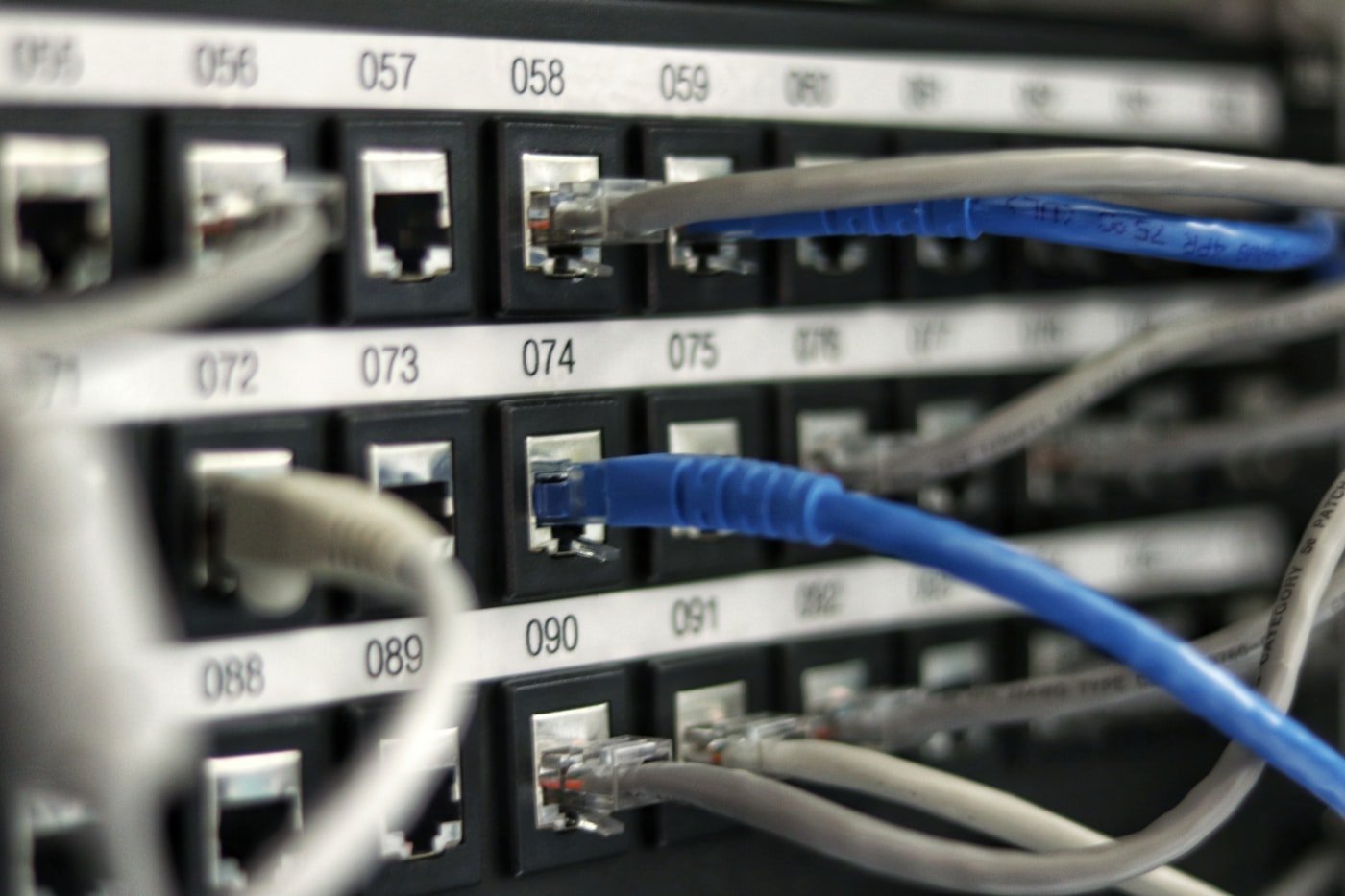
The rapid expansion of global telecommunications, driven by the rollout of 5G networks and broadband infrastructure, relies on high-performance, precision-engineered components. Brass is critical to this industry for its electrical conductivity and corrosion resistance.
Connectors and Grounding Hardware
Brass is extensively used in the manufacturing of coaxial connectors (such as BNC and N-Type fittings), fiber optic connector bodies, and precision pins. These components require exact tolerances to ensure signal integrity and minimize data loss across the network.
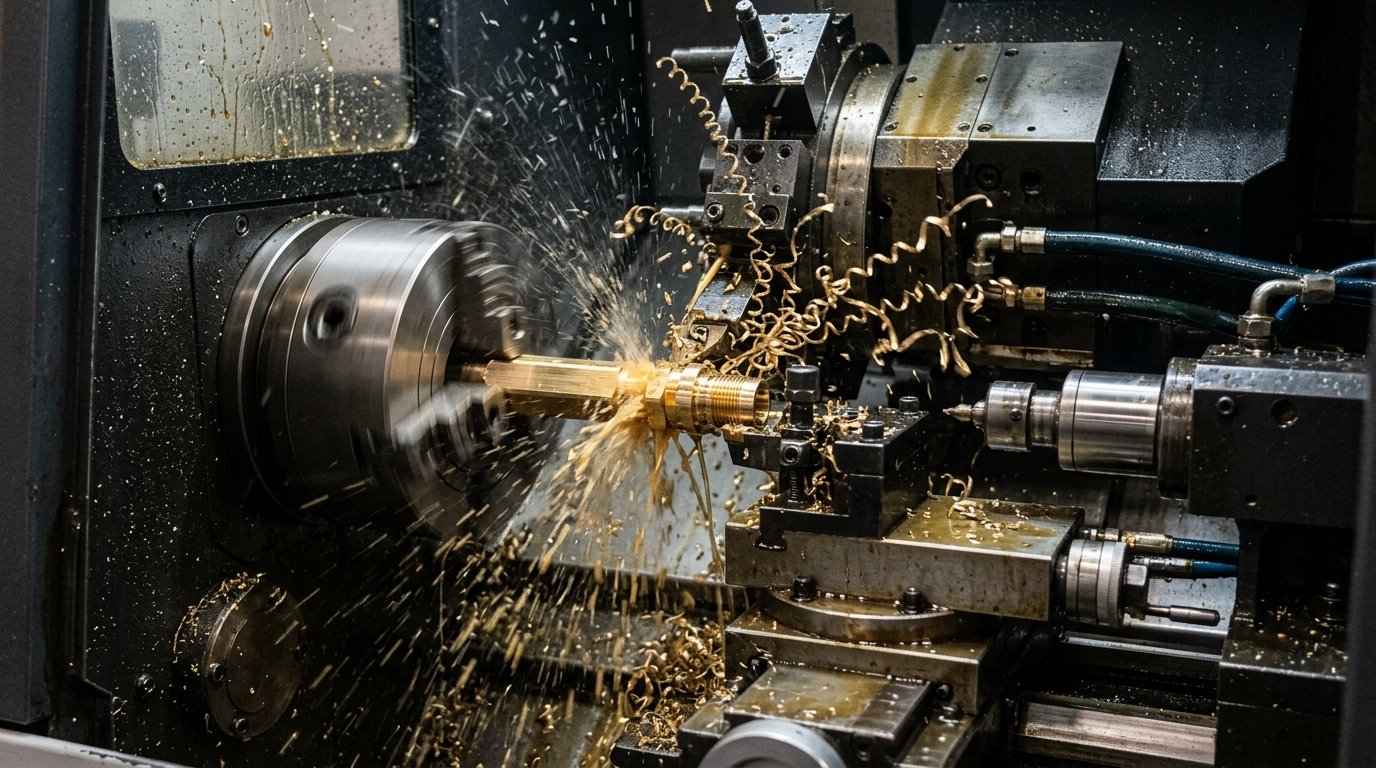
Outdoor Durability
Telecommunication towers and outdoor relay stations are exposed to harsh weather conditions. Brass grounding lugs, antenna mounts, and weatherproof enclosures provide the necessary durability to maintain network reliability over decades of service.
For high-precision telecom components, discover our expertise in Turned Parts and custom manufacturing.
Frequently Asked Questions
Why is precision brass used for 5G cellular tower RF coaxial connectors?
Brass turned bodies provide precise dimensional control (±0.005 mm) to maintain 50-ohm characteristic impedance, low VSWR, and low passive intermodulation (PIM) at high frequencies up to 28 GHz.
What plating stack is applied to telecommunication brass pins?
Telecom pins feature a 2-micron nickel barrier layer followed by 0.5 to 1.25-micron hard gold (Au) plating to ensure 1,000+ mating cycles without wear.
Can brass shield electromagnetic interference (EMI/RFI)?
Yes. Non-magnetic brass housings attenuate high-frequency EMI/RFI signals, protecting sensitive fiber optic transceiver modules from external interference.