In an era increasingly focused on sustainable manufacturing and the circular economy, brass stands out as a highly environmentally friendly material. It is truly a "green metal."
100% Recyclable
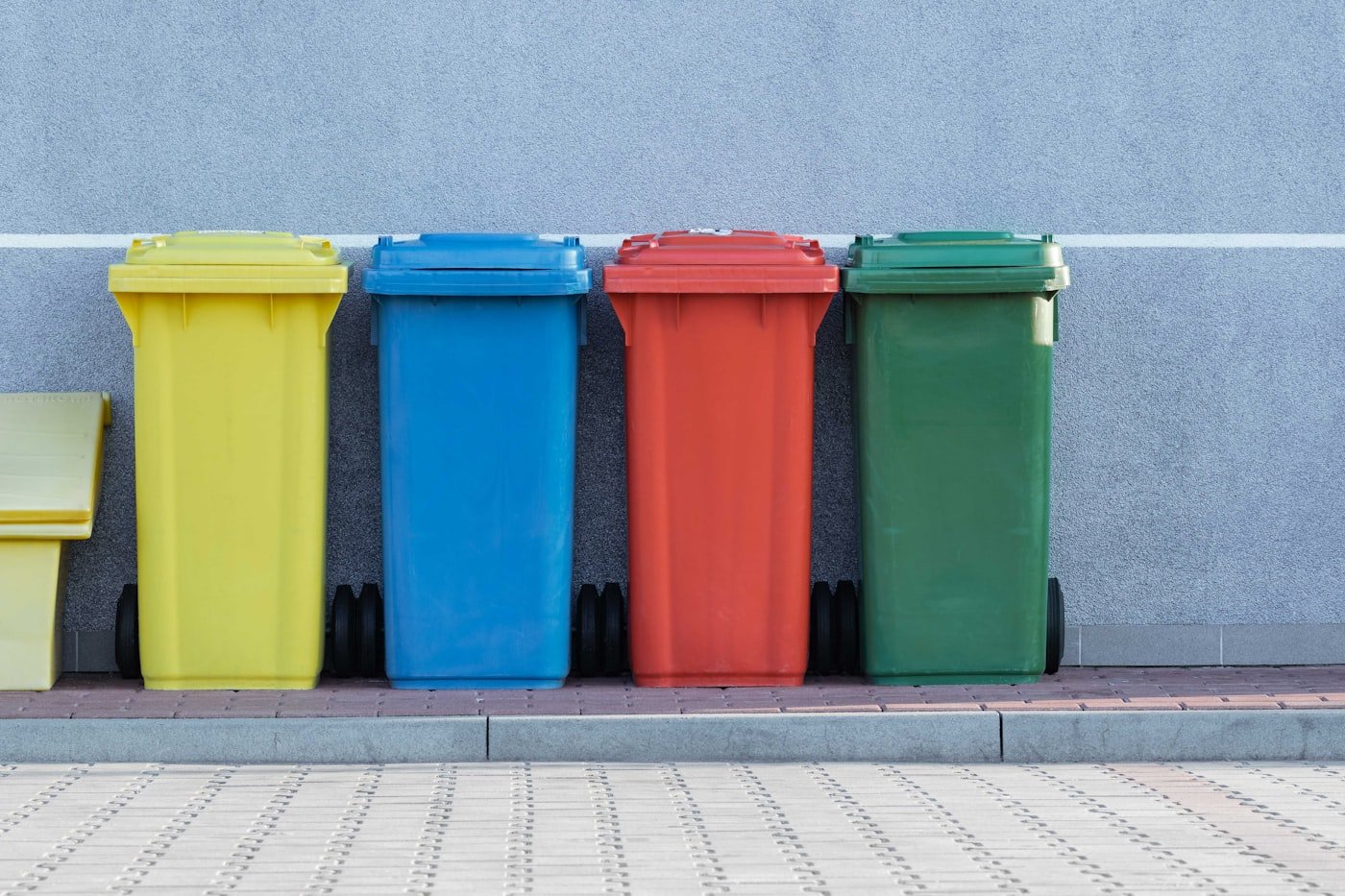
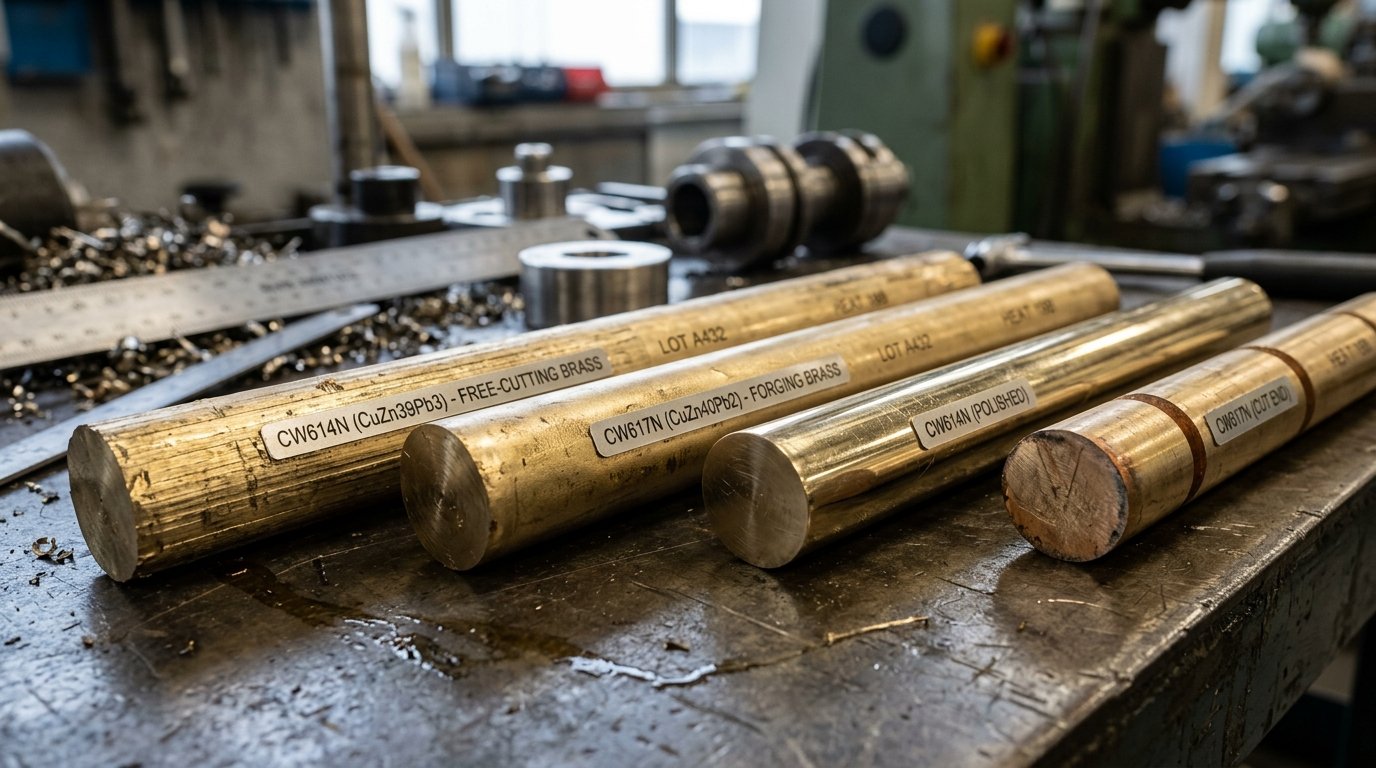
Brass is 100% recyclable, and unlike many other materials, it does not lose its physical or chemical properties during the recycling process. The majority of new brass produced today is made from recycled scrap metal, drastically reducing the demand for primary copper and zinc mining.
| Environmental Benefit | Impact |
|---|---|
| Energy Savings | Recycling brass uses 90% less energy than producing new metal from ores. |
| Waste Reduction | Scrap from the machining process (swarf) is entirely reclaimed and melted down. |
| Carbon Footprint | Significantly lowers greenhouse gas emissions associated with mining and refining. |
Sustainability at Divine Brass
At Divine Brass Industries, sustainability is integrated into our manufacturing processes. We implement strict scrap recovery protocols and utilize energy-efficient machinery to minimize our environmental footprint.
Learn more about our sustainable Manufacturing Process.
Frequently Asked Questions
How recyclable is brass compared to other engineering metals?
Brass is 100% infinitely recyclable without any loss of physical or electrical properties. Over 80% of all brass manufactured today is made from recycled scrap metal.
How does recycled brass lower manufacturing carbon emissions?
Recycling brass requires 85% less energy than refining virgin copper and zinc ores, significantly lowering the embodied carbon footprint of manufactured components.
How does Divine Brass handle CNC machining chips and swarf?
Divine Brass operates a closed-loop system: oil is centrifuged from turnings, and clean swarf is melted back into high-purity extrusion billets.