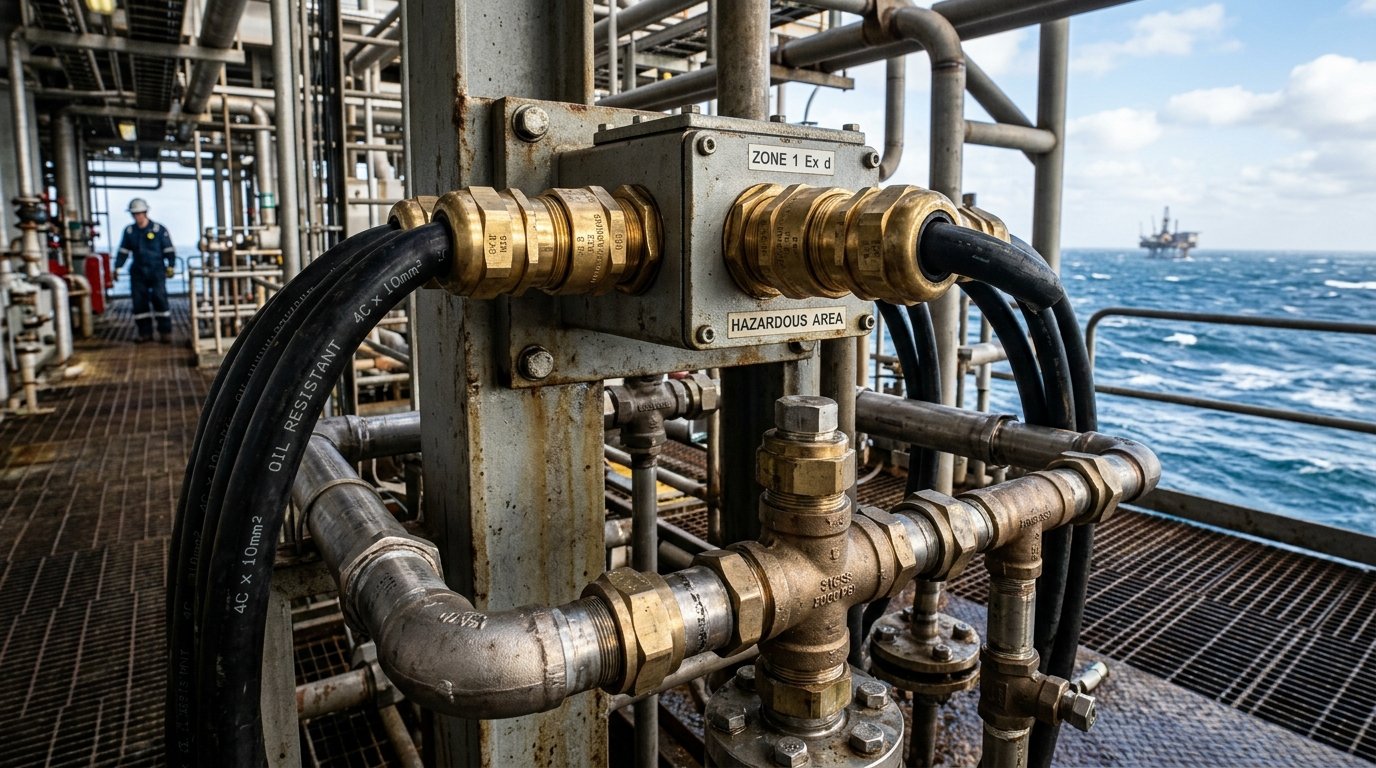
The Oil & Gas industry demands components that can reliably perform under extreme pressures, harsh temperatures, and volatile environments. Brass is highly valued in this sector, particularly for instrumentation, valving, and fluid control systems.
Non-Sparking Properties
One of the most critical safety features of brass in the petrochemical industry is its non-sparking nature. In environments where combustible gases are present, using brass tools and fittings significantly reduces the risk of accidental ignition, ensuring operational safety.
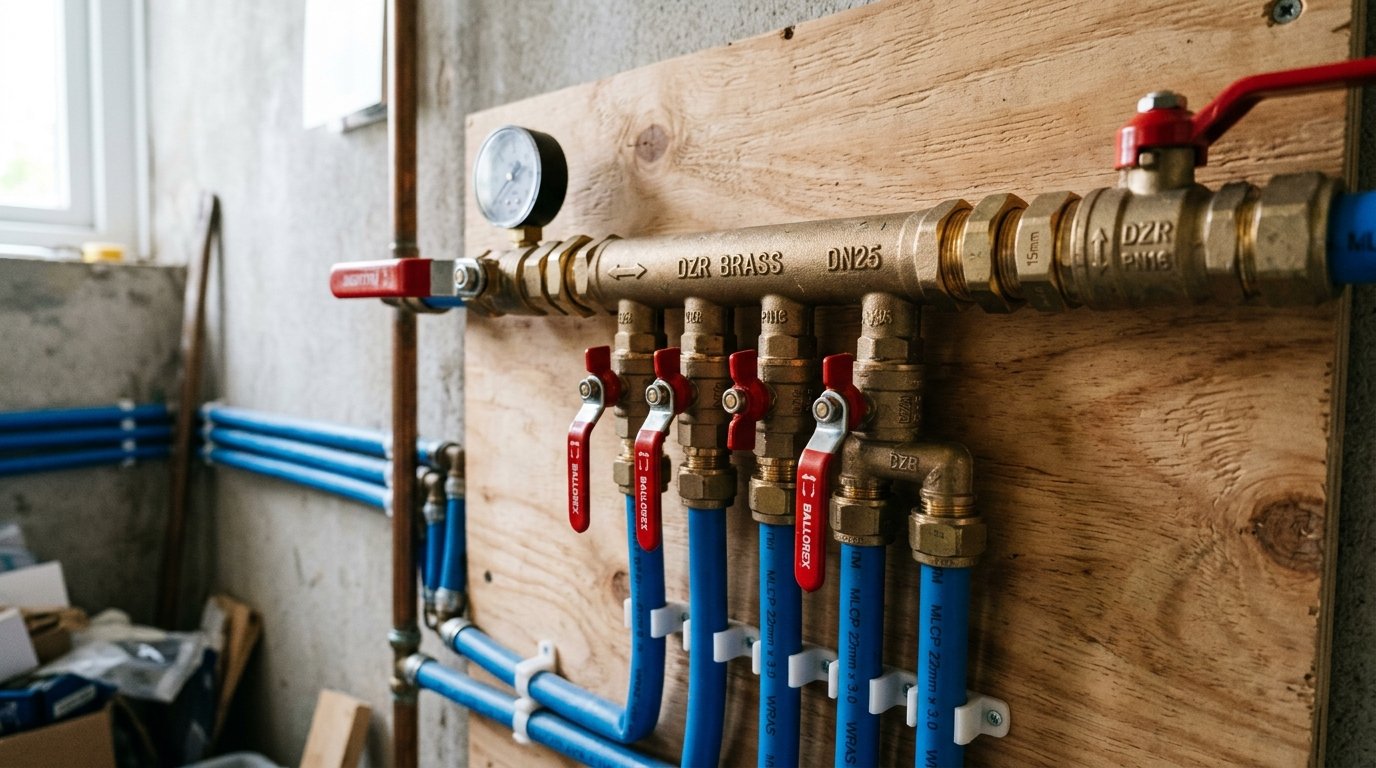
Instrumentation and Compression Fittings
Precision is vital for flow measurement and control. Brass compression fittings, pressure gauge adapters, and manifolds provide secure, leak-tight connections for complex instrumentation panels and hydraulic control lines.
Require specialized high-pressure fittings? Contact Divine Brass Industries today.
Frequently Asked Questions
Why are non-sparking brass tools and fittings used on oil rigs?
Brass does not produce frictional sparks when struck against iron or steel, eliminating ignition risks in explosive Zone 1 / Zone 2 hydrocarbon atmospheres.
What certification is required for brass explosion-proof cable glands?
Brass cable glands used in hazardous oil & gas locations require ATEX and IECEx certifications for flameproof (Ex d) and increased safety (Ex e) compliance.
How does brass perform under sub-zero Arctic pipeline temperatures?
Unlike carbon steel, brass maintains its mechanical ductility and impact strength at cryogenic temperatures down to -196°C without brittle fracture risks.