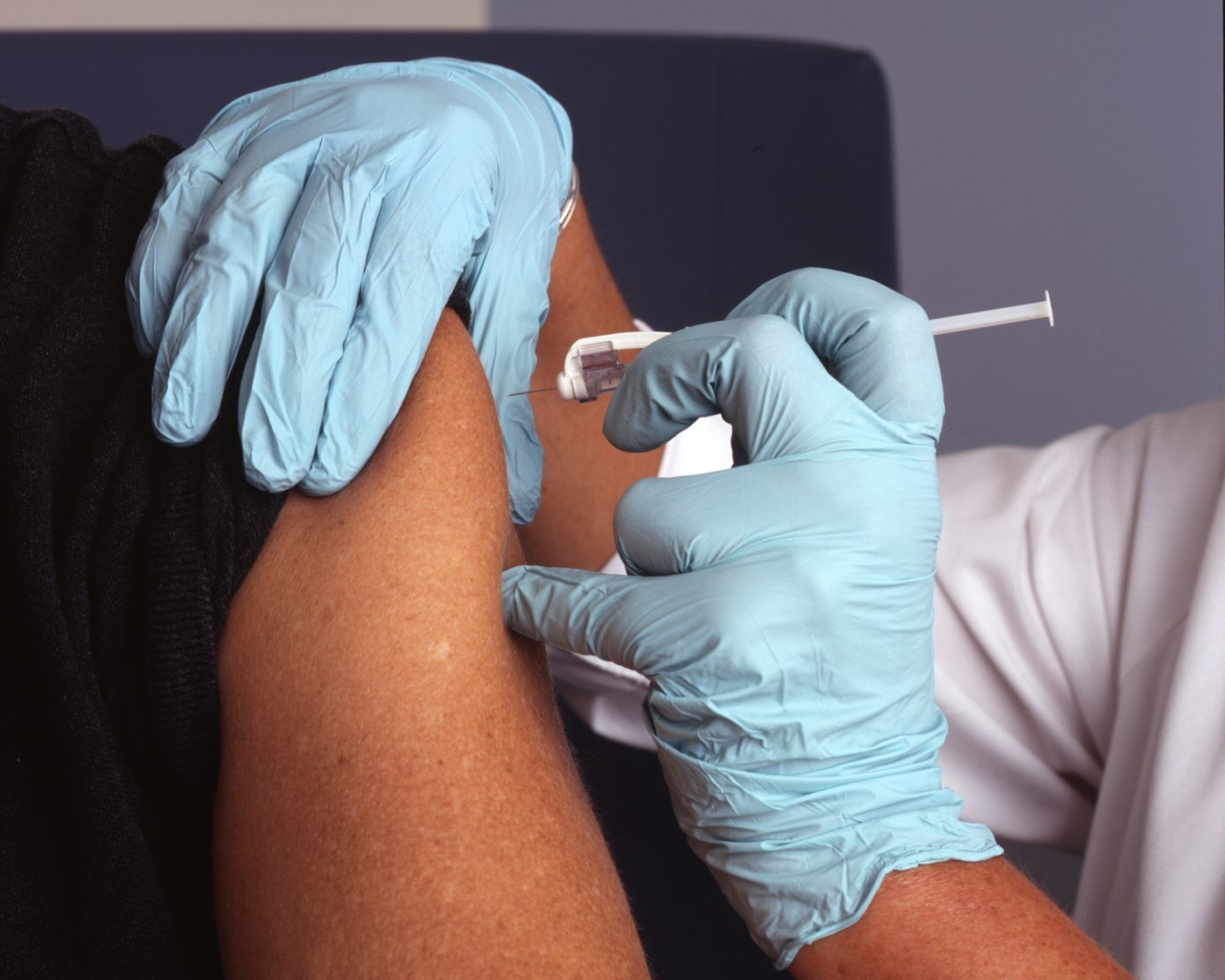
The medical industry requires materials that are not just structurally reliable, but inherently safe for patient contact, highly sterilizable, and completely precision-machined. Brass, particularly specialized lead-free and copper-rich alloys, meets these exacting demands flawlessly.
The Antimicrobial Power of Copper Alloys
One of the most significant advantages of brass in medical environments is its natural antimicrobial property. Because brass is an alloy of copper and zinc, it inherits copper's ability to destroy a wide range of bacteria, viruses, and fungi on contact. This "contact killing" property makes it an ideal material for frequently touched surfaces in clinical settings.
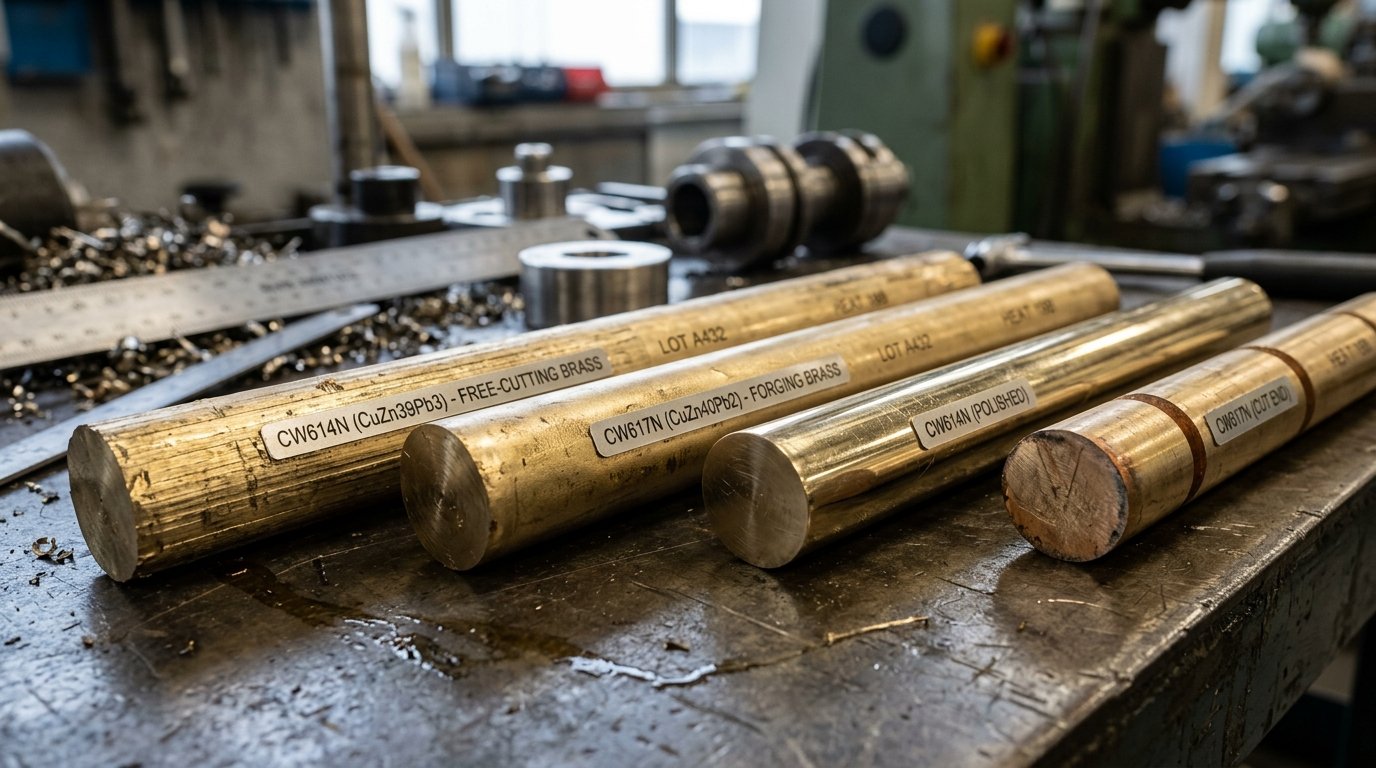
Specific Medical Applications
Brass is utilized throughout healthcare facilities in various forms:
- Medical Gas Regulators: Oxygen, nitrous oxide, and medical air systems rely on brass regulators because the metal is non-sparking, ensuring safety around pure oxygen, while providing leak-proof threads.
- Surgical Instrument Handles: Knurled brass handles offer excellent grip for surgeons and withstand harsh autoclave sterilization cycles.
- Dental Fittings: The precision machinability of brass is required for the micro-components inside dental drills and fluid delivery systems.
- IV Pole and Bed Hardware: High-strength structural components that resist cleaning chemicals.
Regulatory and Sterilization Requirements
Medical brass components must endure repeated exposure to high temperatures (autoclaving), UV light, and harsh chemical sterilants without degrading or corroding. Often, these components are nickel or chrome-plated to provide an extra layer of durability and a sterile appearance while retaining the structural benefits of a brass core.
| Application | Key Property Required | Surface Finish |
|---|---|---|
| Oxygen Regulators | Non-sparking, high pressure integrity | Raw Brass / Chrome Plated |
| Surgical Tools | Biocompatibility, Autoclavable | Chrome or Nickel Plated |
| Touch Surfaces | Antimicrobial (Contact Killing) | Uncoated (Raw) |
With tightening global regulations, lead-free brass alloys are becoming the standard for any components that have direct or indirect contact with patients or medicinal fluids.
Frequently Asked Questions
Why is antimicrobial copper brass used in hospital equipment?
Copper alloys continuously destroy hospital superbugs (MRSA, E. coli) on contact without chemical disinfectants, making brass ideal for high-touch medical fixtures.
What standards govern brass medical gas pipeline fittings?
Medical gas fittings are manufactured to EN ISO 7396-1 and HTM 02-01 standards, requiring 100% degreasing and ultrasonic cleaning for oxygen service compatibility.
Are Divine Brass medical parts safe for pure medical oxygen flow?
Yes. Medical components undergo specialized solvent degreasing and cleanroom sealed bag packaging to ensure zero hydrocarbon residue.