When engineering a joint that requires longevity, electrical conductivity, or aesthetic appeal, designers often reach for brass fasteners. Brass—primarily an alloy of copper and zinc—offers a unique set of properties that steel simply cannot match.
Why Choose Brass Fasteners?
Engineers specify brass for fixing components for several specialized reasons:
- Corrosion Resistance: Excellent in water and outdoor environments; it won't rust like steel.
- Non-Magnetic: Critical for electronics, radar systems, and MRI machines where magnetic interference is unacceptable.
- Non-Sparking: Essential for petrochemical and gas environments where a dropped steel tool or bolt could cause an explosion.
- Aesthetics: The golden finish is highly desirable in decorative hardware and architectural applications.
Types of Brass Fasteners
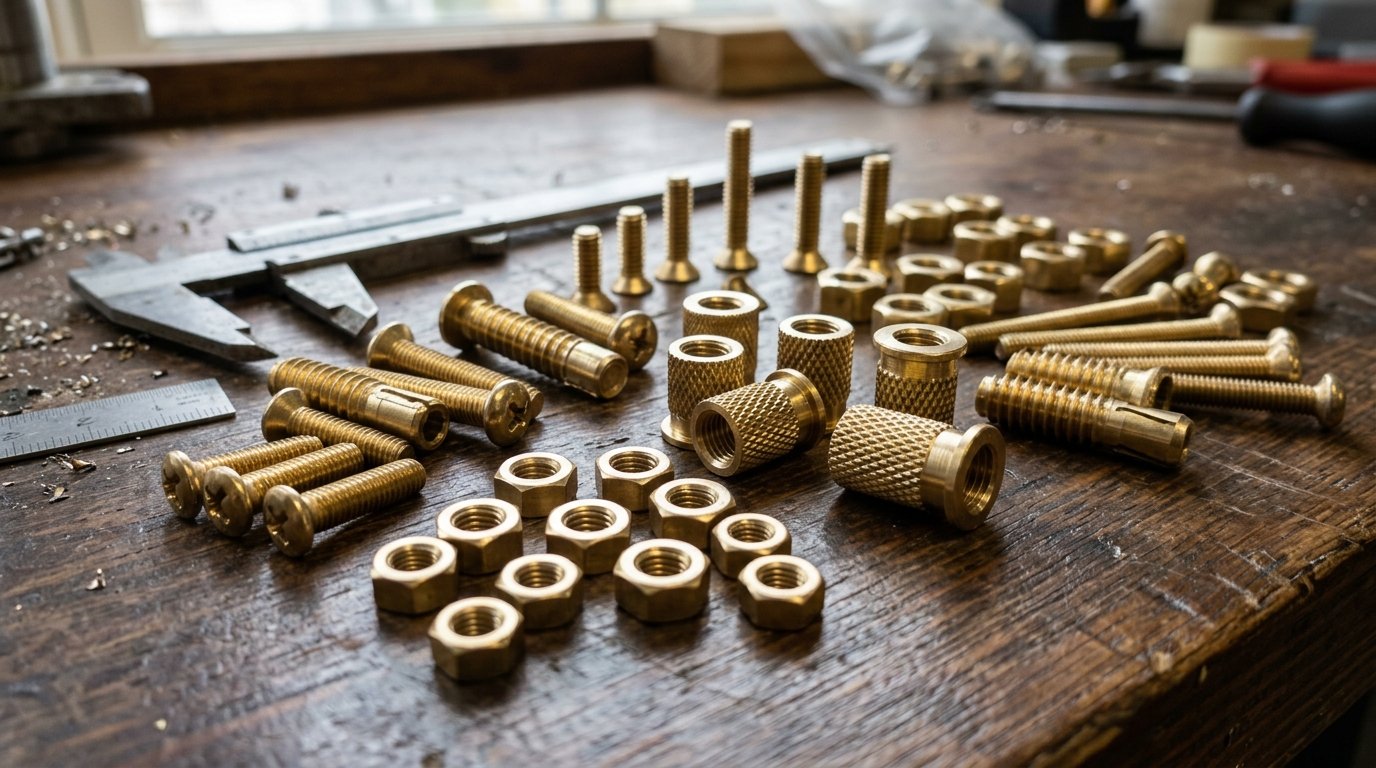
The manufacturing process allows brass to be formed into virtually any fastening shape:
- Bolts & Machine Screws: Provide structural clamping force.
- Nuts & Washers: Mating hardware distributing the load.
- Threaded Inserts: Typically knurled on the outside, these are pressed or molded into plastics to provide a durable brass thread in a softer material.
- Standoffs & Spacers: Used extensively in PCB (Printed Circuit Board) mounting.
- Rivets: Permanent mechanical fasteners.
Manufacturing: Hot vs. Cold Heading
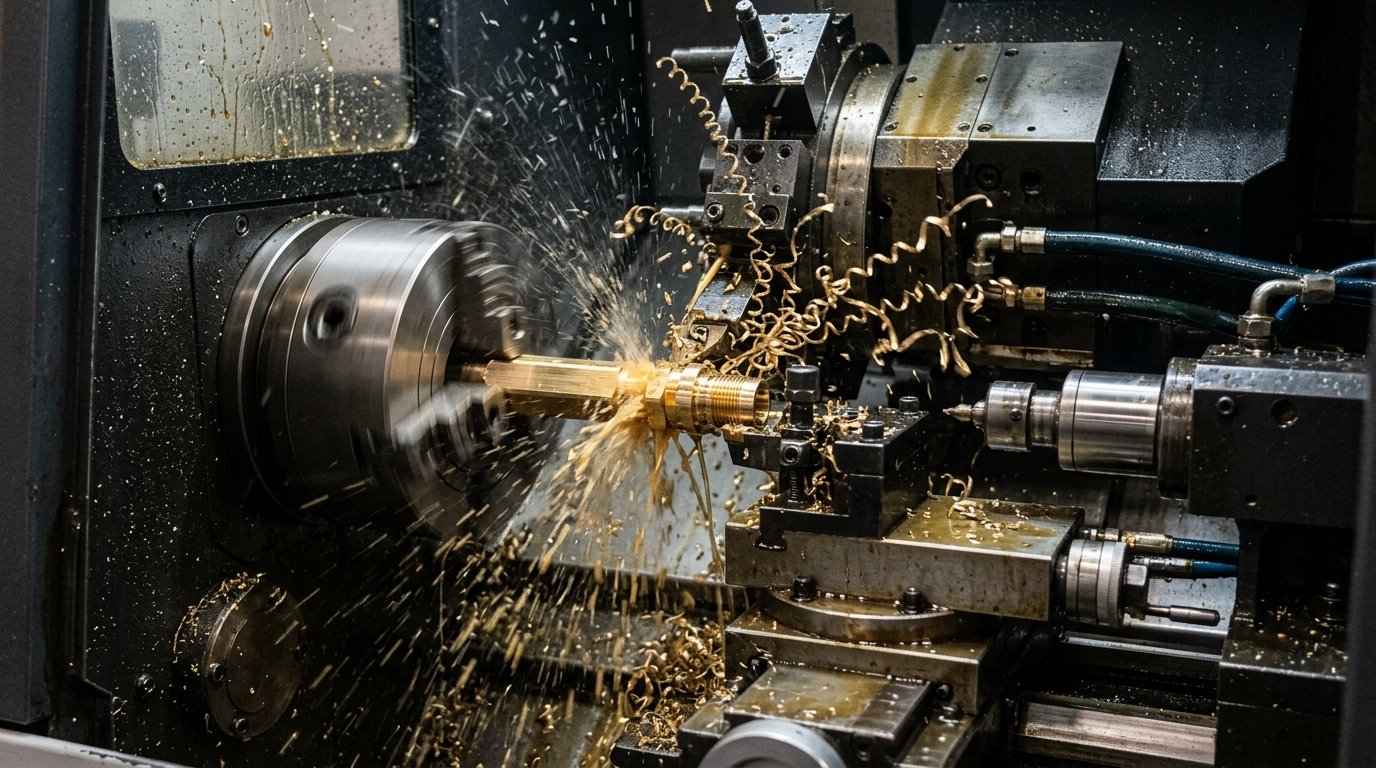
Brass fasteners can be machined directly from bar stock (turned parts), but mass production often relies on heading. Cold heading rapidly forms wire at room temperature, which work-hardens the brass, increasing its tensile strength. Hot heading is used for larger diameters or more complex head shapes where the material must flow more easily.
Thread Standards & Strength Grades
Brass fasteners are available in all global threading standards, including Metric (M2 to M36+), Unified National Coarse/Fine (UNC/UNF), and British Standard Whitworth (BSW).
| Thread Standard | Region/Use Case | Common Brass Applications |
|---|---|---|
| Metric (ISO) | Global Standard | Electronics, consumer goods, machinery |
| UNC / UNF | North America | Aerospace, traditional US manufacturing |
| BSP / NPT | Pipe threads | Pneumatic and hydraulic fittings |
While brass is softer than high-tensile steel, specific alloys (like naval brass or high-tensile brass) can be selected when greater shear or tensile strength is required.
Frequently Asked Questions
Why are brass screws preferred in marine and electrical construction?
Brass fasteners offer total immunity to rust, non-magnetic properties for electronic shielding, low thread friction, and excellent electrical conductivity.
What international thread standards are supported for brass fasteners?
Divine Brass manufactures threaded fasteners to Metric (ISO 68-1), Unified National (UNC/UNF), British Standard Whitworth (BSW), and BA thread specifications.
How do brass threaded inserts bond into plastic injection molded parts?
Knurled brass inserts feature diamond or helical outer ridges that melt or press into thermoplastic enclosures during ultrasonic or thermal installation, offering high pull-out torque.