As the global transition to renewable energy accelerates, the demand for reliable, durable components has never been higher. Brass plays a crucial role in these emerging technologies due to its excellent electrical conductivity and corrosion resistance.
Solar and Wind Applications
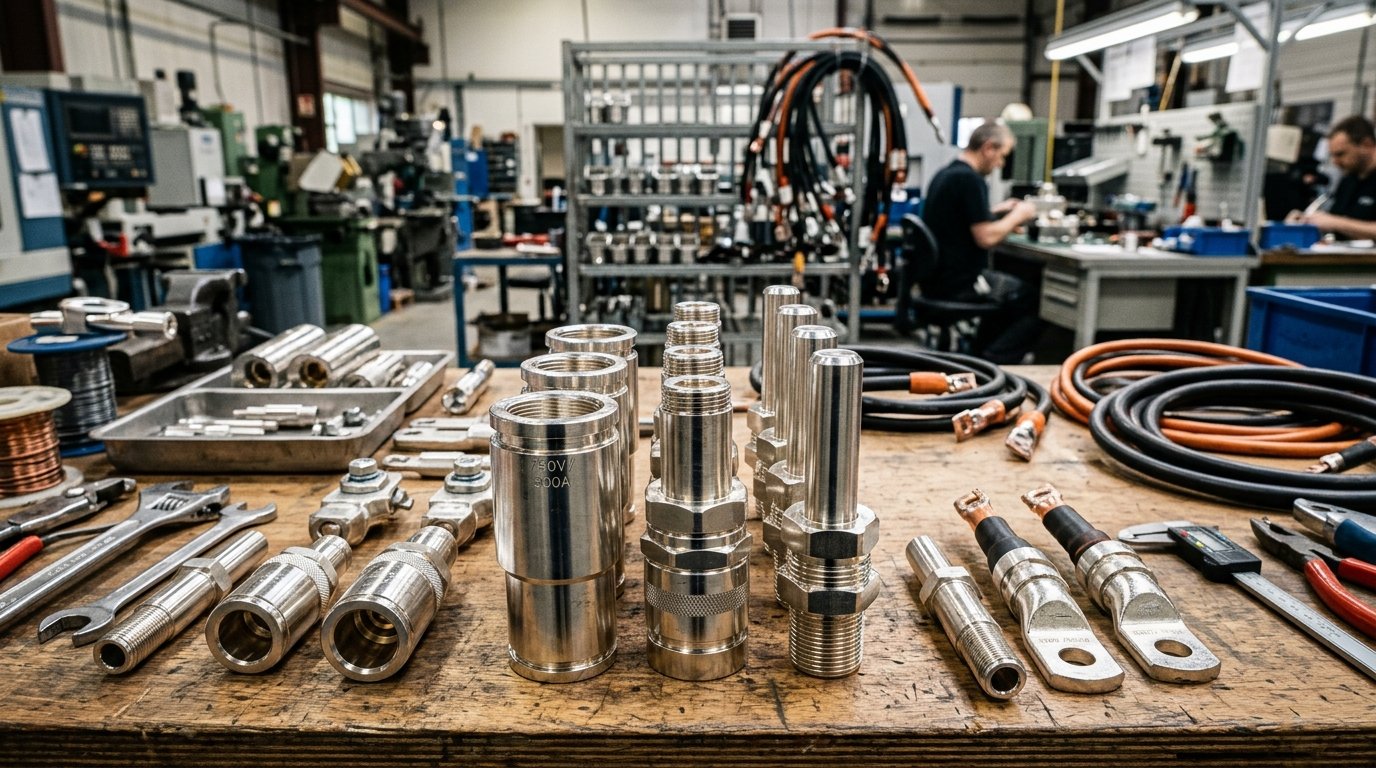
In solar power installations, brass is widely used for mounting hardware, electrical connectors, and grounding components. Its resistance to atmospheric corrosion ensures long-term reliability in harsh outdoor environments. Similarly, in wind turbines, brass connectors and slip rings are vital for transmitting power and data continuously.
| Sector | Key Brass Applications |
|---|---|
| Solar Energy | Mounting brackets, grounding lugs, MC4 connector pins |
| Wind Power | Slip rings, heavy-duty electrical connectors |
| Geothermal | High-pressure fluid fittings, heat exchanger tubes |
Emerging Technologies: Hydrogen and Fuel Cells
Brass alloys are also critical in the development of hydrogen fuel cells and geothermal systems. Specialized brass fittings ensure leak-proof connections under high pressure and variable temperatures.
At Divine Brass Industries, we are committed to supporting the green energy sector. Learn more about our Sensor Parts for renewable applications.
Frequently Asked Questions
How are brass components used in solar PV inverter assemblies?
Brass turned terminals, grounding lugs, and cable glands provide weather-proof, vibration-resistant electrical interconnections inside 1500V DC solar central inverters.
Can brass fittings withstand outdoor exposure in wind turbine nacelles?
Yes. Nickel-plated DZR brass fittings resist marine atmospheric corrosion, salt spray, and extreme operational vibrations inside offshore wind turbine hydraulics.
What is the expected service lifespan of brass connectors in renewable installations?
High-grade brass connectors engineered to IEC standards deliver a maintenance-free operating lifespan exceeding 25 to 30 years in utility-scale solar and wind plants.