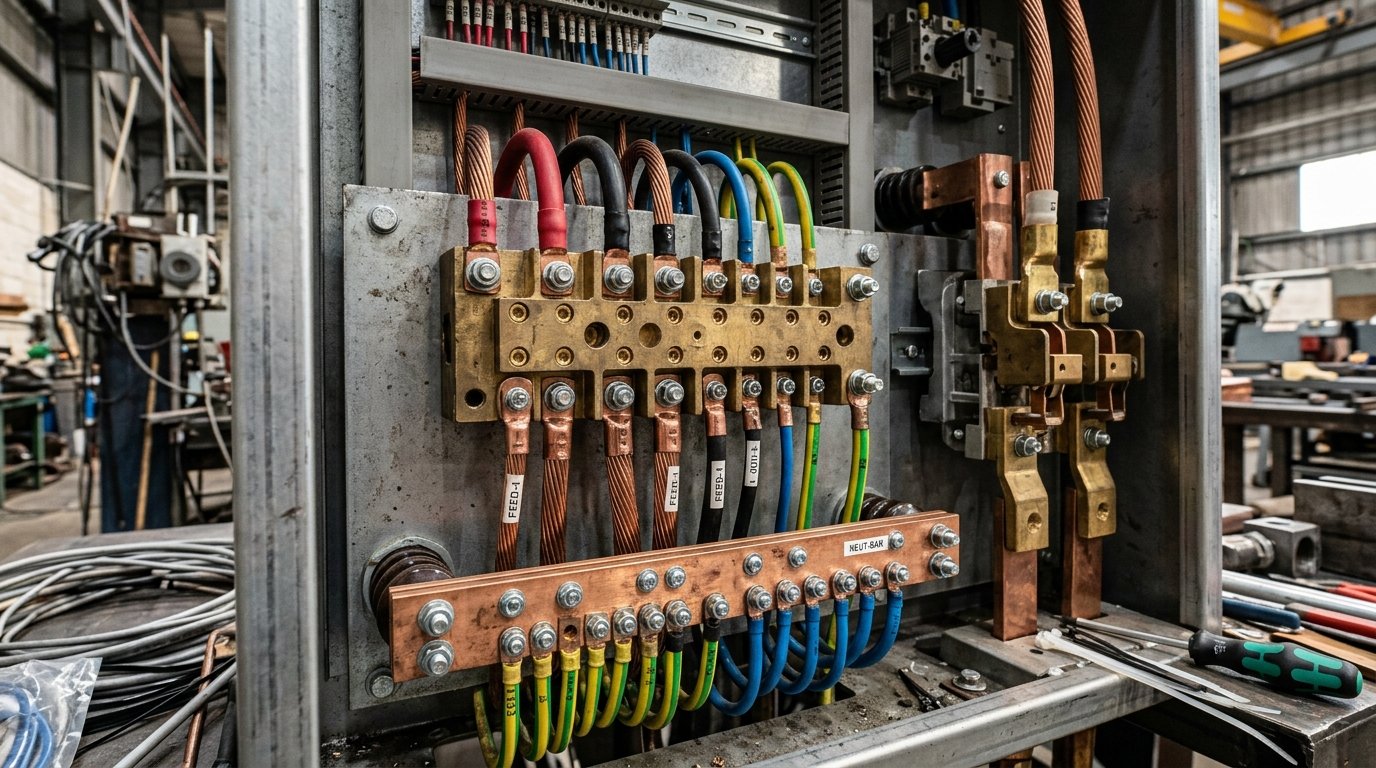
While pure copper is the undisputed king of electrical conductivity, it is incredibly soft and difficult to machine. Enter brass: the perfect compromise. By alloying copper with zinc, engineers get a material that retains excellent electrical properties while gaining mechanical strength, spring characteristics, and phenomenal machinability.
Why Brass is Chosen for Electrical Components
Brass offers a unique combination of properties that make it indispensable in the electrical and electronics industry:
- Conductivity: While lower than pure copper (around 28% IACS), it is more than sufficient for most terminals, connectors, and switchgear.
- Strength & Spring Properties: Certain brass alloys can be hardened to act as reliable spring contacts in switches and sockets, maintaining pressure over thousands of cycles.
- Corrosion Resistance: Brass doesn't rust. It resists environmental degradation better than steel, ensuring reliable electrical contact over time.
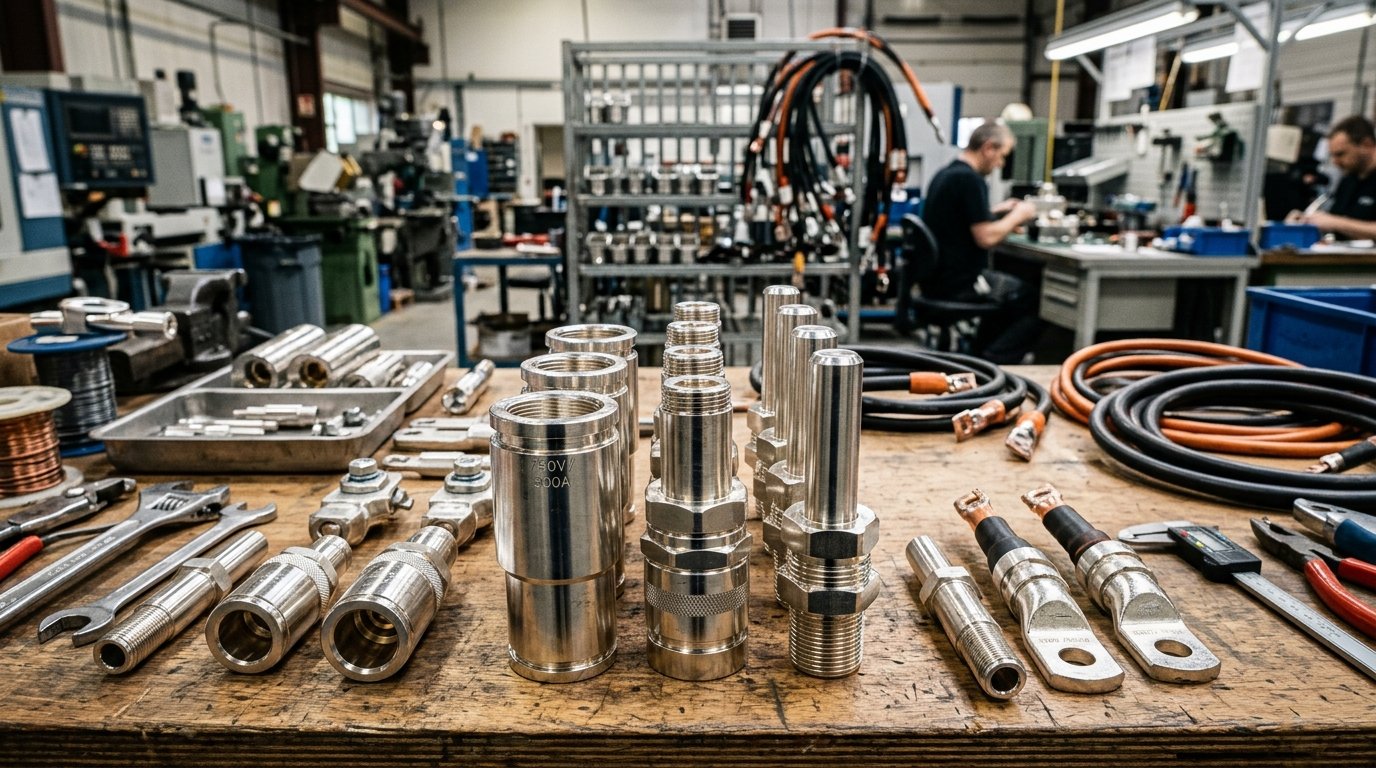
- Machinability: Complex terminal blocks and tiny pins can be mass-produced efficiently on automated CNC lathes.
Typical Electrical Applications
You will find brass components in almost every electrical panel and consumer device. Key applications include:
- Terminal blocks and neutral links
- Socket pins, plugs, and receptacles
- Switchgear contacts and arc runners
- Energy meter parts and grounding clamps
- RF connectors (like SMA or BNC connectors)
Alloy Selection for Electronics
Not all brass is the same. The alloy chosen depends entirely on the manufacturing method and the required mechanical properties:
C36000 (Free-Cutting Brass): The American equivalent to CW614N. It is the go-to alloy for rigid, screw-machined parts like heavy-duty terminals, binding posts, and large pins. It is easily threaded and drilled.
C26000 (Cartridge Brass): Known for excellent ductility. It is typically supplied in sheet or strip form and is stamped and formed into female spring contacts, spade connectors, and switch blades.
Tin Plating and RoHS Compliance
In the electronics industry, brass components are frequently tin-plated. Raw brass can slowly oxidize, which increases electrical resistance and makes soldering difficult. A thin layer of tin provides an excellent surface for soldering components directly to printed circuit boards (PCBs) and ensures long-term low contact resistance.
Additionally, modern electronics must comply with RoHS (Restriction of Hazardous Substances) directives. Traditional free-machining brass contains up to 3% lead. Today, manufacturers often specify "low-lead" or "lead-free" brass alloys (like CW511L or specific silicon brasses) to meet global environmental regulations.
Frequently Asked Questions
What electrical conductivity rating does CW614N brass offer?
CW614N brass offers 26% to 28% IACS (International Annealed Copper Standard) conductivity, providing ideal current capacity while offering 3x higher strength than pure copper.
Why choose brass over copper for threaded electrical terminals?
Brass provides significantly higher yield strength (up to 450 MPa) and thread torque resistance, preventing terminal stripping during high-torque cable clamping in electrical switchgear.
What plating prevents galvanic corrosion on brass electrical contacts?
Electro-tin plating (5-8 µm) or silver plating is applied to brass contacts to eliminate galvanic reaction when mating with aluminum or copper wiring conductors.