
Manufacturing high-quality brass components requires significant investment, but there are proven strategies to optimize these costs without sacrificing quality. Here are the top ways to reduce manufacturing expenses for brass parts.
Design Optimization and DFM
The most effective cost-reduction strategy begins at the design stage. Design for Manufacturability (DFM) ensures that components are easy to produce. Minimizing complex geometries, avoiding overly tight tolerances where they aren't necessary, and standardizing thread sizes can drastically reduce machining time and tool wear.
| Optimization Area | Potential Cost Savings |
|---|---|
| Standardizing Threads | 10-15% |
| Relaxing Non-Critical Tolerances | 15-20% |
| Reducing Secondary Operations | 20-30% |
Material Selection and Batch Sizing
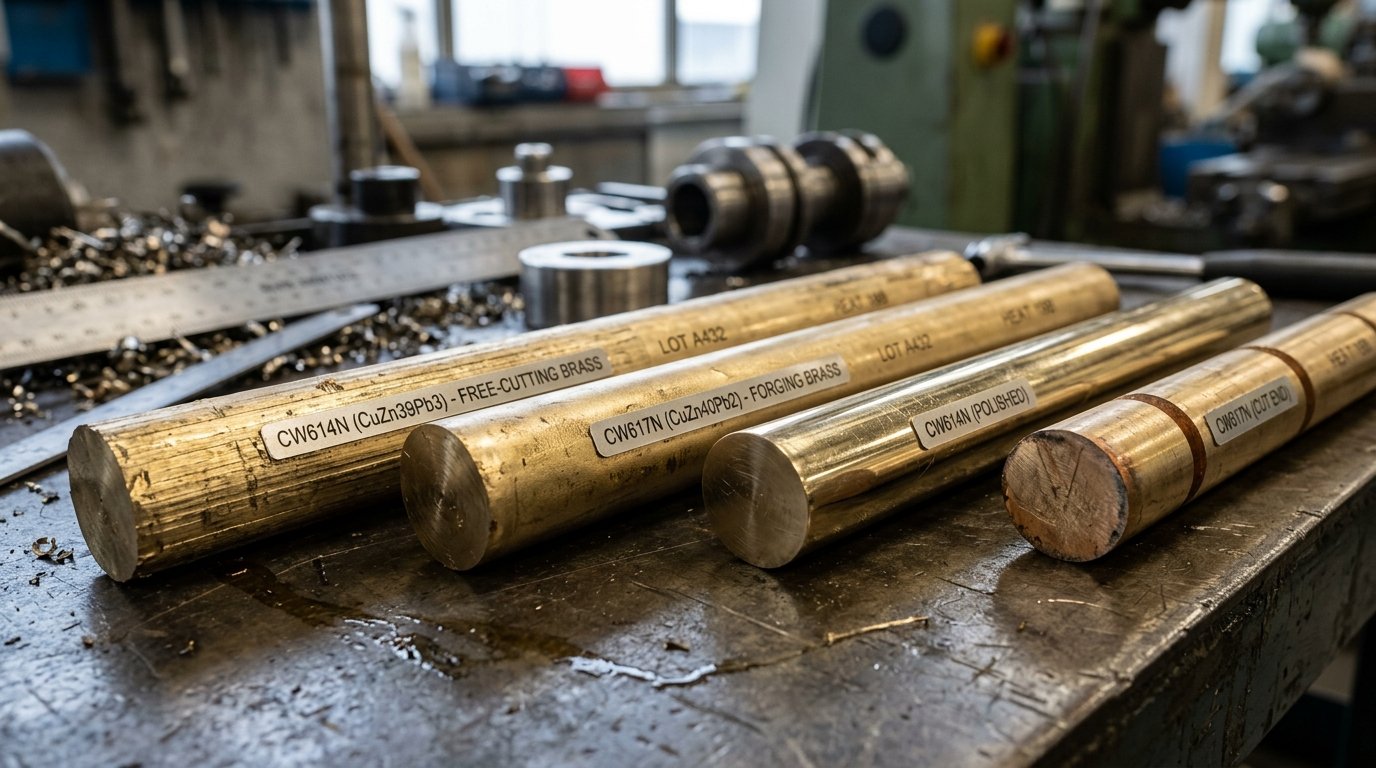
Selecting the right brass alloy is crucial. Free-machining brass (like CZ121/CW614N) machines rapidly, reducing cycle times and cutting tool costs. Additionally, ordering in optimal batch sizes takes advantage of economies of scale, minimizing setup and material costs.
Reducing secondary operations such as deburring, polishing, or extra threading by incorporating them into the primary CNC cycle can also yield significant savings.
Looking to estimate the weight and cost of your brass components? Try our BrassX Calculator to optimize your next project.
Frequently Asked Questions
How can design engineers lower machining costs for custom brass parts?
Designers can reduce costs by standardizing internal thread depth, relaxing non-critical external tolerances to ±0.05 mm, specifying standard hex or round bar sizes, and utilizing high-machinability CW614N alloy.
Does switching from cold heading to CNC turning save money?
For small-to-medium production runs (<50,000 units), CNC turning avoids expensive cold heading die tooling costs ($5,000+) while offering rapid 48-hour prototype delivery.
What is the scrap credit recovery advantage of brass?
Brass chips and turnings command up to 80-85% scrap value recovery relative to virgin alloy prices, offsetting a significant portion of raw material costs during CNC turning runs.