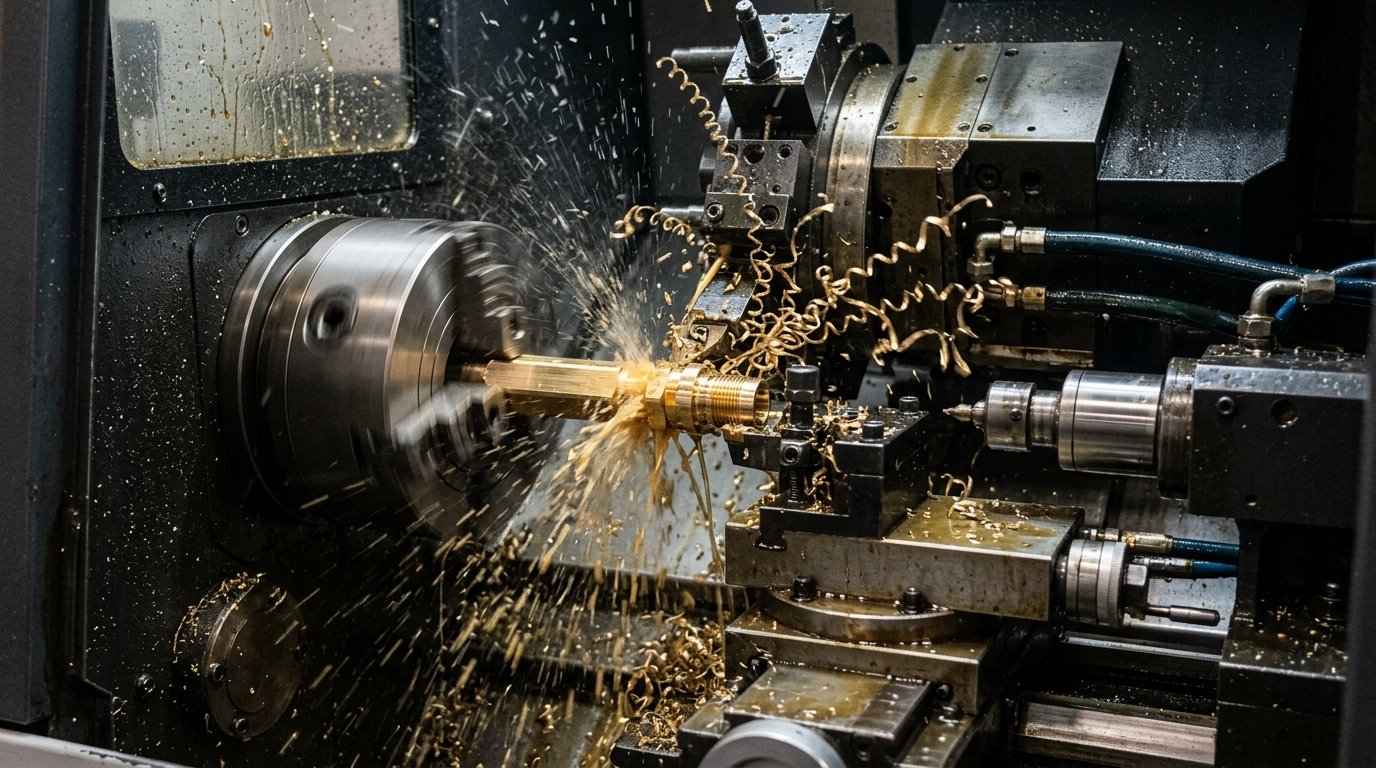
CNC (Computer Numerical Control) machining has revolutionized the manufacturing of precision parts, and when it comes to materials, brass remains one of the most preferred choices. Its exceptional machinability, strength, and corrosion resistance make it ideal for a wide range of applications.
Why Choose Brass for CNC Machining?
Brass alloys, particularly free-machining brass like CW614N (CZ121), are renowned for their ease of cutting. This translates to several distinct advantages in a CNC machining environment:
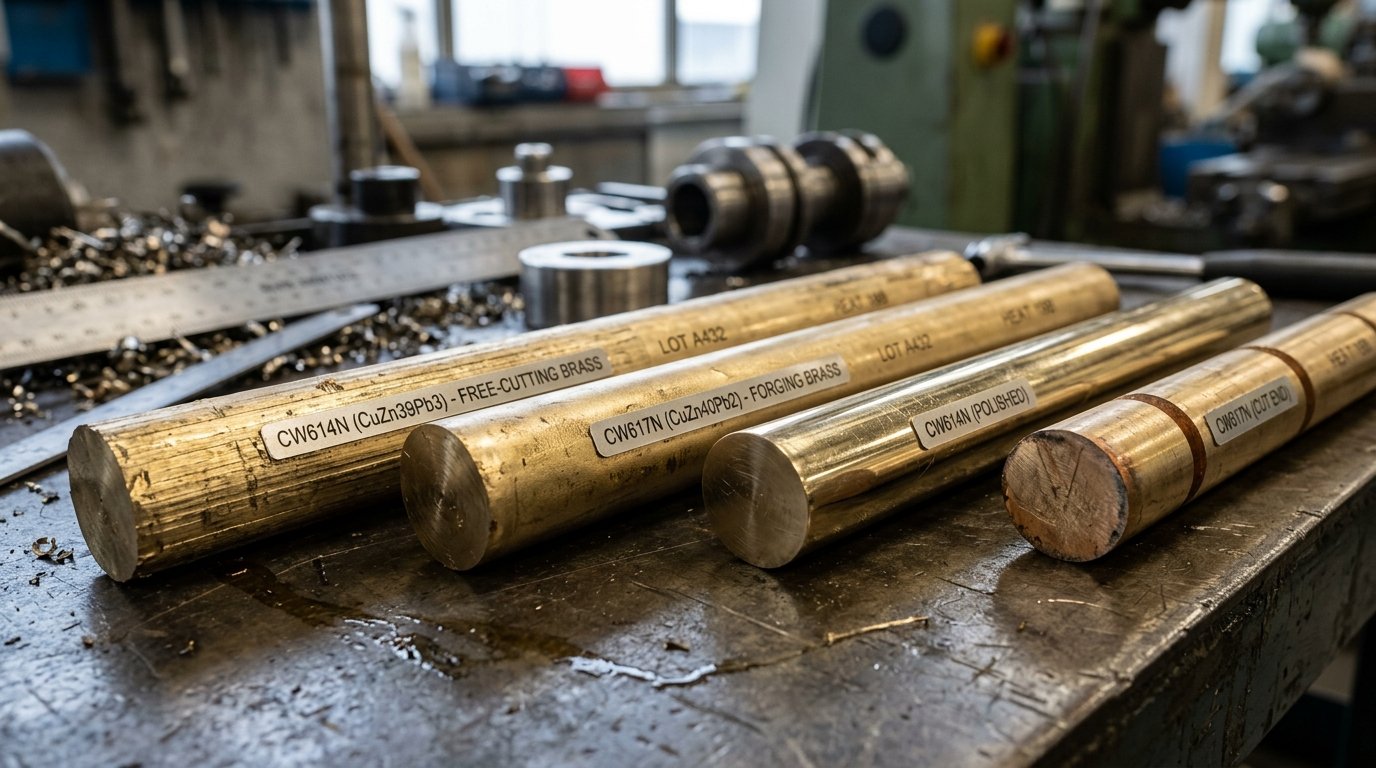
- High Cutting Speeds: Brass can be machined at significantly higher speeds (typically 150-300 m/min) compared to steel or stainless steel, reducing cycle times.
- Excellent Surface Finish: Achieving a smooth surface finish (Ra 0.4-1.6 µm) is straightforward, often eliminating the need for secondary polishing operations.
- Extended Tool Life: The addition of lead in free-machining brass acts as a microscopic lubricant, reducing wear and tear on cutting tools.
Tooling and Machining Parameters
Optimizing CNC parameters is crucial for maximizing efficiency and part quality.
| Parameter | Recommendation |
|---|---|
| Cutting Speed | 150 - 300 m/min (depending on alloy and operation) |
| Tooling Material | Carbide is preferred for high-volume runs; HSS for specific profiles. |
| Coolant Strategy | Neat cutting oils or high-quality emulsions for optimal chip evacuation and cooling. |
Chip Formation and Control
One of the defining characteristics of free-machining brass is its ability to produce small, easily managed chips. This is critical in automated CNC operations, preventing chip entanglement around the tool or workpiece, which can cause surface defects or tool breakage.
Frequently Asked Questions
What dimensional tolerances can be achieved in CNC brass turning?
On high-speed Swiss automatic turning lathes, Divine Brass regularly achieves outer diameter tolerances of ±0.005 mm (5 microns) and thread pitch accuracy meeting ISO 965 Class 6g standards.
What spindle speeds and feed rates are recommended for CW614N brass?
CW614N free-cutting brass can be turned at high cutting speeds of 150 to 350 m/min with feed rates between 0.05 and 0.25 mm/rev using carbide or PCD tooling.
Why use Swiss CNC sliding headstock lathes over conventional turret lathes?
Swiss CNC sliding headstock lathes guide the bar stock right next to the cutting tool guide bushing, eliminating deflection and allowing long, slender brass parts to be machined with extreme precision in a single setup.