Density & Weight Comparison
Yes, brass is slightly heavier than stainless steel. Brass density ranges from 8.4 to 8.73 g/cm3 depending on alloy composition (zinc content), while 304 stainless steel has a density of 7.93 g/cm3. This means brass is approximately 6-10% heavier than stainless steel for identically sized components.
Weight Impact on Component Design
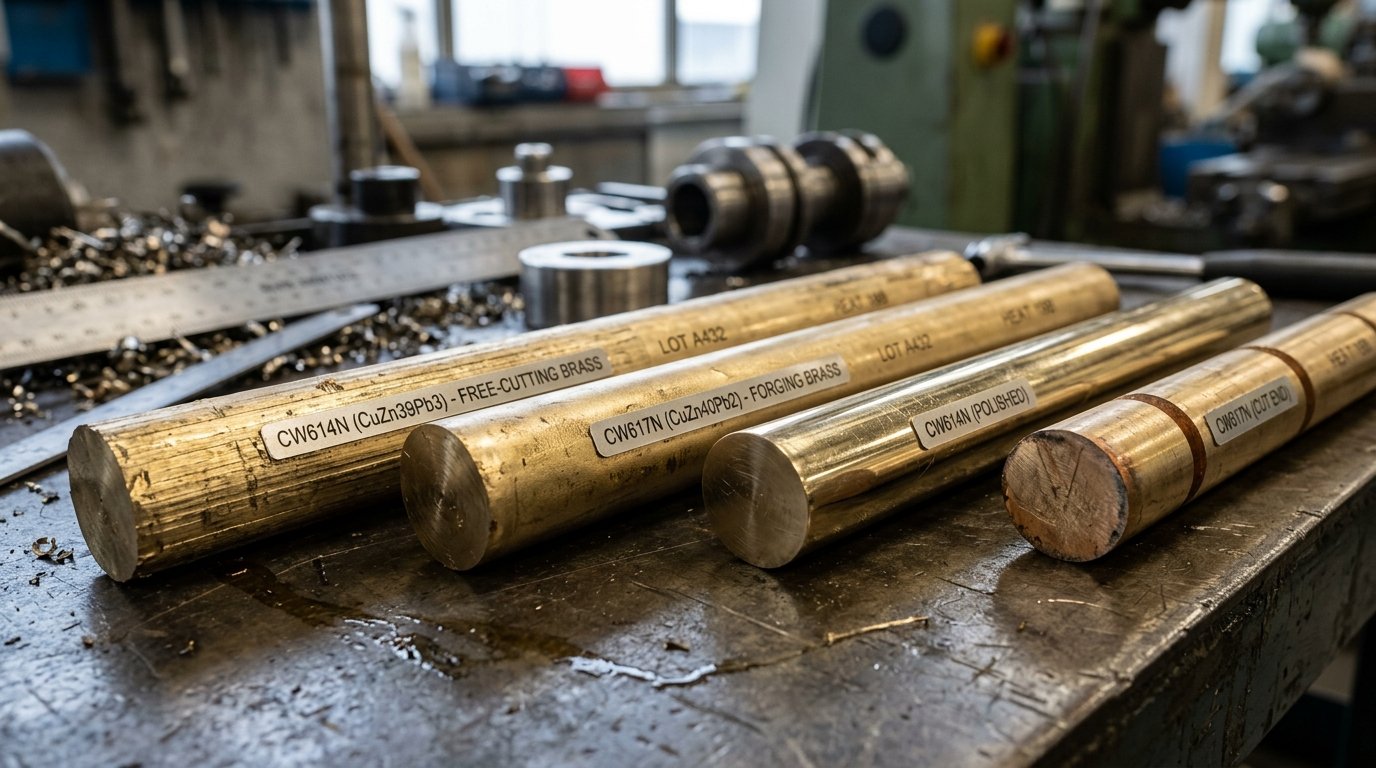
For most precision CNC turned parts, fittings, and valve bodies, the 6-10% weight difference is negligible. A typical brass fitting weighing 50 grams would weigh approximately 45-47 grams in stainless steel. This small difference rarely impacts application performance or shipping costs.
| Material | Density (g/cm3) | Weight of 100cm3 part |
|---|---|---|
| CW614N Brass | 8.47 | 847 grams |
| CW617N Brass | 8.43 | 843 grams |
| 304 Stainless Steel | 7.93 | 793 grams |
| 316 Stainless Steel | 7.99 | 799 grams |
| C36000 Brass | 8.50 | 850 grams |
When Weight Matters
Weight becomes a significant factor in aerospace, automotive weight reduction programs, and portable equipment. For these applications, aluminum alloys (2.7 g/cm3) or titanium (4.5 g/cm3) may be more appropriate than either brass or stainless steel.
Weight vs Other Selection Factors
Material selection should prioritize machinability, conductivity, corrosion resistance, and cost over a 6-10% weight difference. Brass offers 100% machinability rating, 7x higher thermal conductivity, and 35-50% lower total cost compared to stainless steel.
| Material | Density (g/cm3) | Weight of 100cm3 part |
|---|---|---|
| CW614N Brass | 8.47 | 847 grams |
| CW617N Brass | 8.43 | 843 grams |
| 304 Stainless Steel | 7.93 | 793 grams |
| 316 Stainless Steel | 7.99 | 799 grams |
| C36000 Brass | 8.50 | 850 grams |
Frequently Asked Questions
Is brass heavier than stainless steel?
Yes, slightly. Brass density (8.4-8.73 g/cm3) is approximately 6-10% higher than stainless steel (7.93 g/cm3). For a 50-gram fitting, the difference is only 3-5 grams.
Does the weight difference between brass and stainless steel matter?
For 95% of applications including fittings, valves, connectors, and turned parts, the weight difference is negligible. It only matters in weight-critical aerospace or automotive applications.
Which is denser, brass or stainless steel?
Brass is denser at 8.4-8.73 g/cm3 compared to stainless steel at 7.93-7.99 g/cm3. Higher zinc content in brass reduces density, while higher copper content increases it.