Expected Lifespan Data
Both brass and stainless steel can last 50-100+ years when correctly specified for their environment. Historical brass artifacts survive thousands of years. Modern brass plumbing fittings have documented lifespans exceeding 70 years.
Stainless steel in appropriate environments shows similar longevity.
Environmental Durability Factors
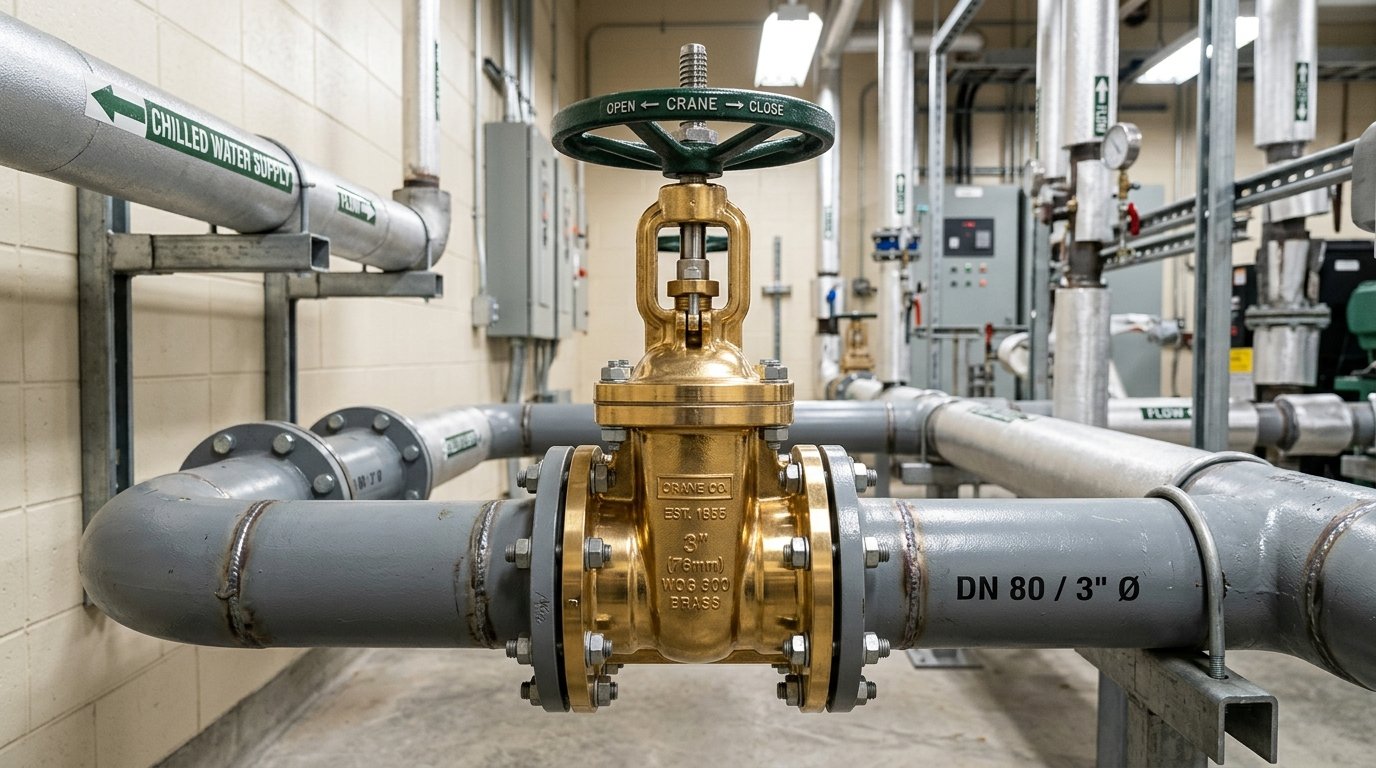
Brass excels in: atmospheric exposure (develops protective patina), freshwater plumbing (especially DZR), and moderate marine environments. Stainless steel excels in: aggressive chemical environments, high-temperature applications, and chloride-rich seawater. Proper material-environment matching is the key to longevity.
| Durability Factor | Brass | Stainless Steel |
|---|---|---|
| Expected Lifespan | 50-100+ years | 50-100+ years |
| Maintenance Required | None (patina protects) | Periodic cleaning |
| UV Resistance | Excellent | Excellent |
| Wear Resistance | Good | Good to Excellent |
| Cost Per Year | $0.10/year | $0.16/year |
Maintenance & Care Requirements
Brass is essentially maintenance-free in most applications. The natural patina actually increases corrosion resistance over time. Stainless steel can develop tea staining in coastal environments and requires periodic cleaning.
For plumbing, both require zero maintenance once installed.
Cost Per Year of Service Analysis
When calculating cost per year of service life, brass consistently wins. A brass fitting costing $5.00 lasting 50 years costs $0.10 per year. An equivalent stainless steel fitting at $8.00 lasting 50 years costs $0.16 per year.
Lower initial cost plus equal lifespan equals superior value.
| Durability Factor | Brass | Stainless Steel |
|---|---|---|
| Expected Lifespan | 50-100+ years | 50-100+ years |
| Maintenance Required | None (patina protects) | Periodic cleaning |
| UV Resistance | Excellent | Excellent |
| Wear Resistance | Good | Good to Excellent |
| Cost Per Year | $0.10/year | $0.16/year |
Frequently Asked Questions
Does brass last as long as stainless steel?
Yes, when properly specified for the application. DZR brass plumbing fittings have documented lifespans exceeding 70 years. Historical brass artifacts survive thousands of years. Both materials offer excellent long-term durability.
Does brass tarnish?
Brass develops a natural patina (darkening) over time in atmospheric exposure. This patina is actually protective and increases corrosion resistance. Lacquered or nickel-plated brass maintains its original appearance indefinitely.
Which requires less maintenance, brass or stainless steel?
Both are essentially maintenance-free in appropriate environments. Brass is slightly lower maintenance since its natural patina is self-protecting, while stainless steel may require periodic cleaning to prevent tea staining in coastal areas.