Plumbing Fittings: Brass vs Stainless Steel
For potable water plumbing, brass fittings (especially DZR CW602N) are the global standard. They meet WRAS, NSF/ANSI 61, and AS 3688 drinking water regulations. Brass plumbing fittings are easier to thread, solder, and braze than stainless steel, reducing installation time by 30-40%.
Hydraulic & Pneumatic Fittings
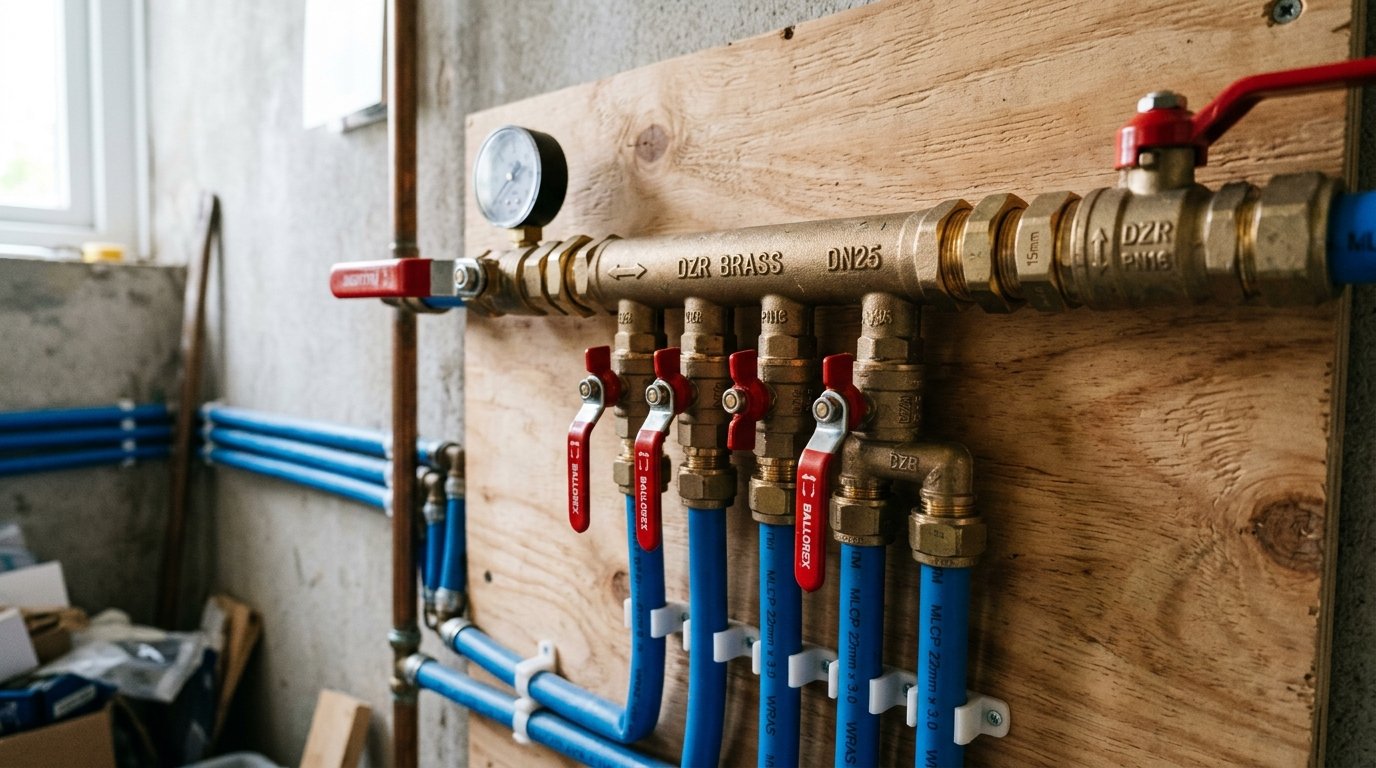
Brass compression fittings rated for pressures up to 250 bar are widely used in hydraulic systems. CW617N forged brass fittings provide excellent pressure-tight sealing. While stainless steel fittings handle higher pressures (400+ bar), brass is sufficient for 85% of hydraulic applications at significantly lower cost.
| Application | Brass Fittings | SS Fittings | Recommendation |
|---|---|---|---|
| Potable Water | DZR CW602N (WRAS) | 304/316 | Brass (lower cost, proven) |
| Hydraulic (to 250 bar) | CW617N forged | 316L | Brass (cost-effective) |
| Natural Gas | CW614N (non-sparking) | 316 | Brass (safety standard) |
| Chemical Processing | Limited | 316L/Duplex | Stainless (chemical resistance) |
| Marine/Offshore | DZR/Naval brass | Super duplex | Application-dependent |
Industrial & Gas Fittings
Brass is the preferred material for natural gas fittings globally. Its non-sparking properties make it inherently safer than stainless steel in flammable gas environments. Brass gas fittings meet EN 331, UL 842, and ANSI/CSA standards for gas service.
Manufacturing Advantages of Brass Fittings
Brass fittings can be produced via hot forging (CW617N), CNC turning (CW614N), or casting, offering flexible manufacturing options. Thread cutting on brass is 2-3x faster than stainless steel. Brass fittings can be readily soldered, brazed, or mechanically joined.
Divine Brass exports precision brass fittings to 15+ countries worldwide.
| Application | Brass Fittings | SS Fittings | Recommendation |
|---|---|---|---|
| Potable Water | DZR CW602N (WRAS) | 304/316 | Brass (lower cost, proven) |
| Hydraulic (to 250 bar) | CW617N forged | 316L | Brass (cost-effective) |
| Natural Gas | CW614N (non-sparking) | 316 | Brass (safety standard) |
| Chemical Processing | Limited | 316L/Duplex | Stainless (chemical resistance) |
| Marine/Offshore | DZR/Naval brass | Super duplex | Application-dependent |
Frequently Asked Questions
Are brass fittings better than stainless steel fittings?
For plumbing, gas, and general hydraulic applications (85% of use cases), yes. Brass fittings offer comparable performance, faster installation, and 35-45% lower cost. Stainless steel is better only for aggressive chemical environments.
Do brass fittings last as long as stainless steel?
In appropriate applications, brass fittings last 50+ years. DZR brass fittings in plumbing systems have proven track records spanning decades. The key is selecting the right brass alloy for the environment.
Can brass fittings handle high pressure?
Yes. CW617N forged brass fittings are rated for pressures up to 250 bar. For higher pressures (400+ bar), stainless steel or specialized alloys are recommended.